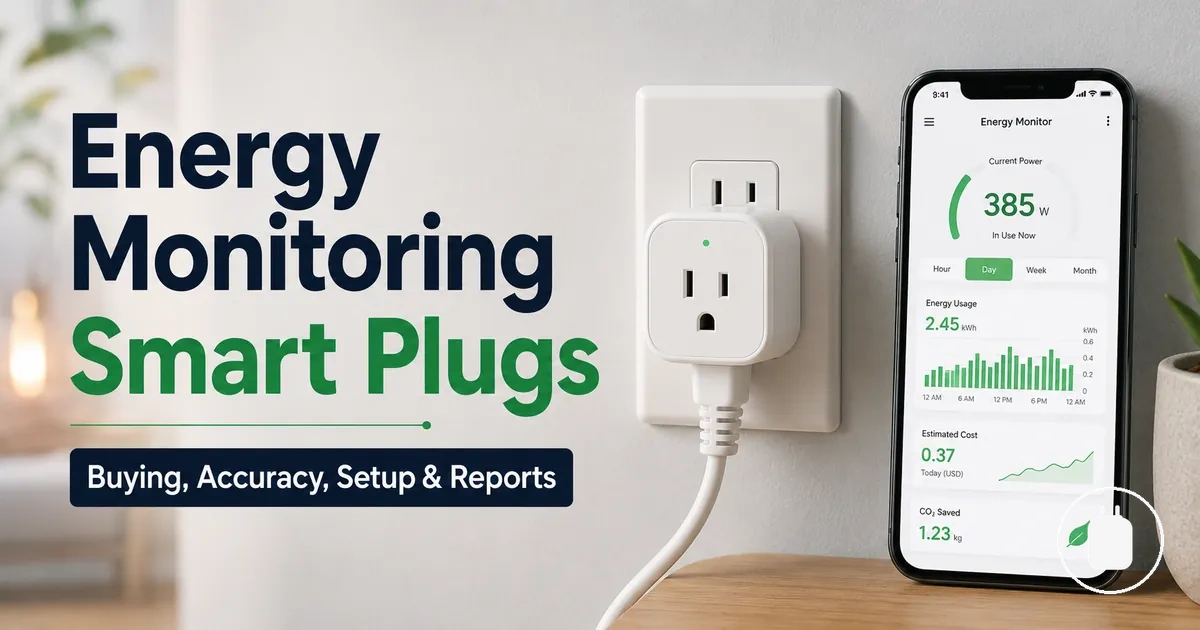
Energy Monitoring Smart Plugs for Power Tracking and Buying Decisions
Energy monitoring smart plugs are plug-in devices that measure the electricity use of a connected appliance while providing app-based control and usage visibility. Depending on the model and app, the readings may include current power draw, accumulated kWh, and usage history. Their main value is plug-level power tracking for one connected device rather than whole-home monitoring.
A user may connect an appliance to a smart plug with energy monitor, review its app reports, and compare how its electricity use changes across different periods. This visibility can support a buying decision by showing whether the available monitoring features match the intended appliance and reporting need. The usefulness of those readings depends on the plug model, app design, load type, and how the user interprets and acts on the data.
Choosing an energy monitoring smart plug requires more than checking whether it displays watts or kWh. Compatibility with the outlet, Wi-Fi or another supported platform, measurement accuracy, load rating, appliance suitability, setup requirements, and reporting usefulness can all affect the result. These conditions should be understood before comparing value or moving toward price checking, beginning with what the device measures and how plug-level readings should be interpreted.
This page provides category-level guidance for evaluating energy monitoring smart plugs and does not treat individual products as the main subject. Any illustrative options should be considered only after the measurement, compatibility, safety, accuracy, and value criteria are clear.
What Energy Monitoring Smart Plugs Do
Energy monitoring smart plug is a plug-in smart outlet that measures the electricity use of a connected device while adding app control for supported functions such as monitoring and scheduling. Depending on the model, it may display power draw, wattage, accumulated kWh, or similar usage data over a selected time period. Its primary role is plug-level monitoring of the appliance connected to that outlet.
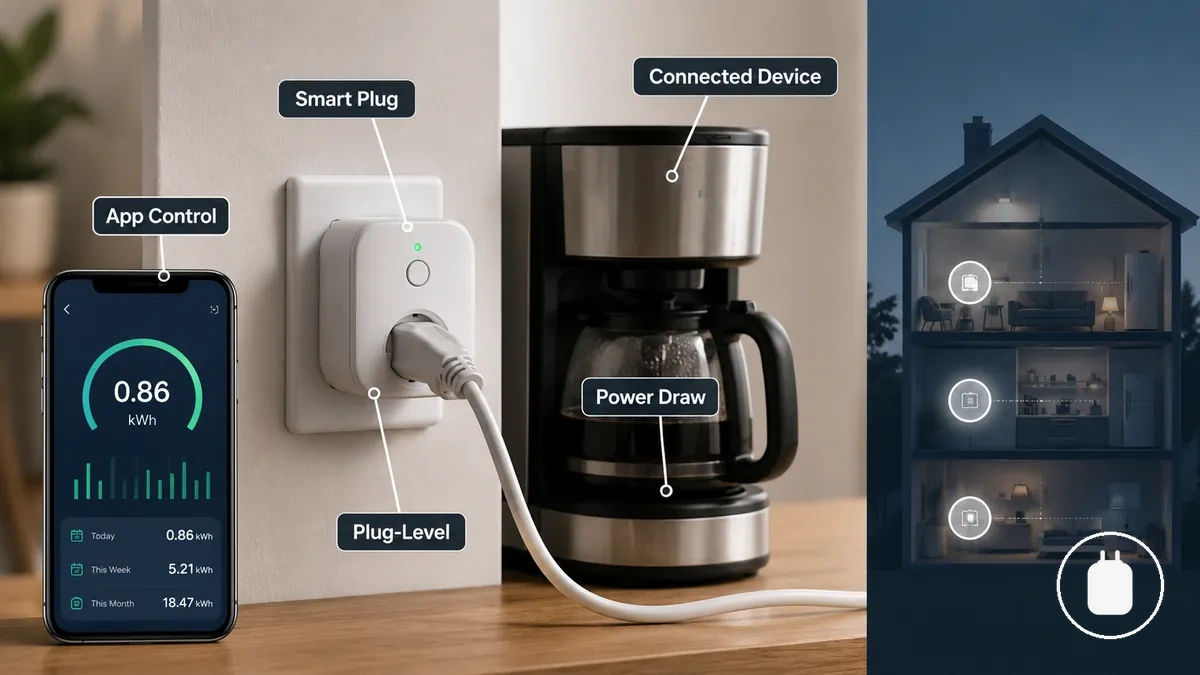
Many users want to know whether a smart plug with energy monitor measures an individual appliance or the entire home's electricity use. The distinction matters because the device reports only the connected device at the outlet where it is installed, while available readings and reporting frequency may vary by model and app. Understanding this scope makes it easier to interpret app reports and compare monitoring features before choosing a device. For a closer look at the reported values, see what energy monitoring smart plugs measure.
| Plug-level monitoring | Broader home monitoring |
|---|---|
| Measures the electricity use of the connected device at a single outlet, including values such as power draw, wattage, or kWh when supported by the model. | Provides a wider view of household electricity use and is outside the scope of an energy monitoring smart plug. |
An energy monitoring smart plug is not intended to replace broader household energy monitoring. It provides insight into the connected appliance only, maintaining a clear boundary between plug-level monitoring and broader whole-home energy monitoring.
Plug-Level Power Tracking and Energy Use Visibility
Plug-level power tracking makes the electricity use of one connected appliance visible at the outlet where it is connected. Depending on the device, an app reading may show power draw, wattage, accumulated kWh, and usage over a selected time period. This connects wattage and kWh readings directly to a single connected appliance, improving usage visibility.
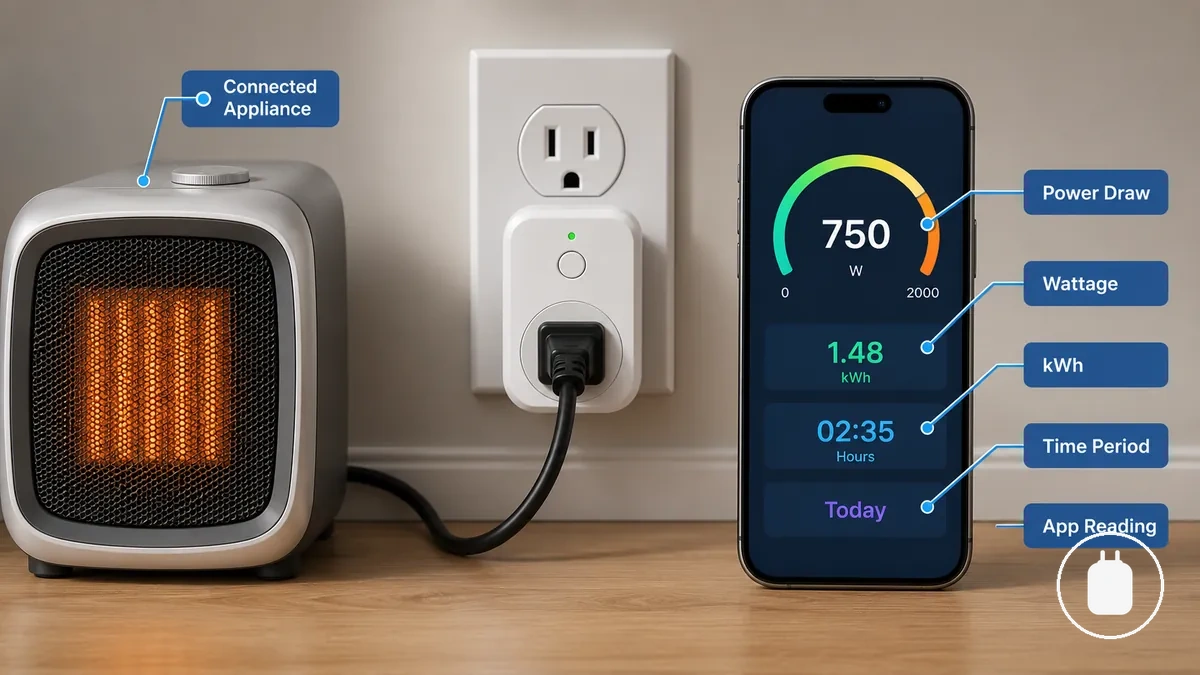
A connected heater or computer can be monitored over a selected time period to display changing wattage, accumulated kWh, and app readings during normal use or standby load. These outlet-level readings provide a clearer view of how that individual connected appliance uses electricity over time. From this usage visibility, readers can infer when the device draws more or less power and use that information to support informed decisions.
Smart Plug Monitoring Versus Broader Home Energy Monitoring
Smart plug monitoring measures the electricity use of a single outlet, while broader home energy monitoring measures electricity at the circuit-level or across larger parts of a home. This difference in monitoring scope changes what the readings represent because measurement location determines how energy data is attributed. Understanding that scope helps users interpret readings and choose the information that best supports their decision.
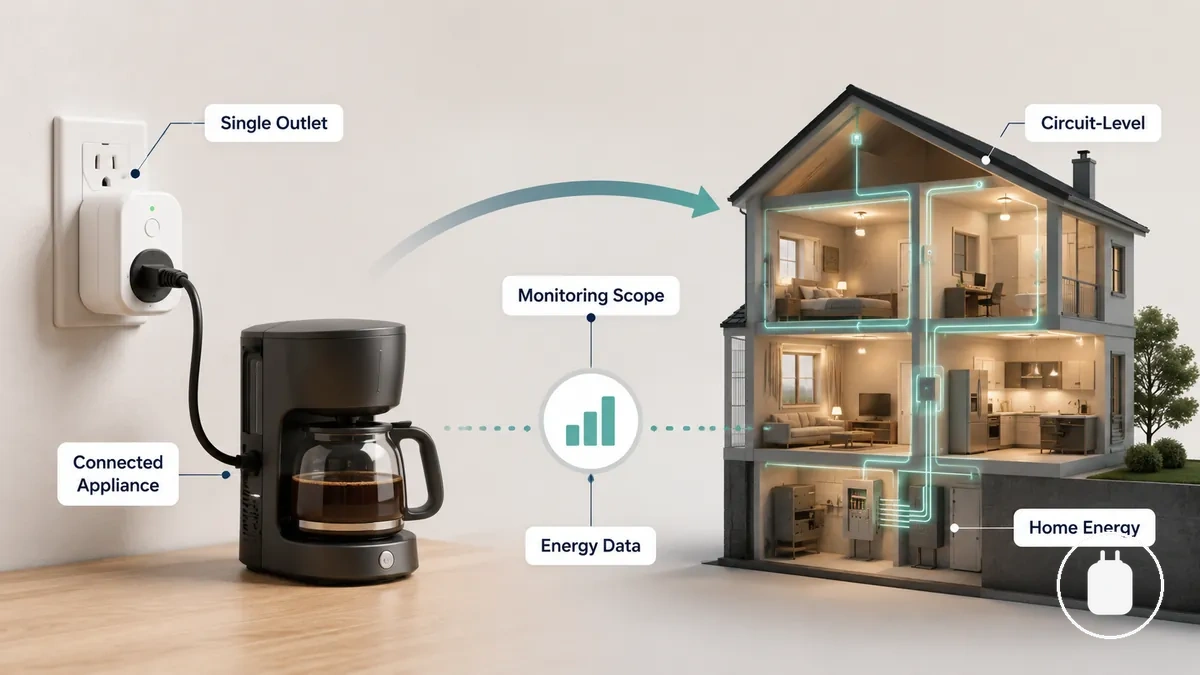
A common misconception is that smart plug monitoring provides the same perspective as broader home energy monitoring. In practice, plug-level monitoring focuses on appliance attribution for one connected outlet, while broader systems provide wider energy context with different reporting limits. The comparison below highlights how monitoring scope affects the usefulness and interpretation of energy data.
| Smart Plug Monitoring | Broader Home Energy Monitoring |
|---|---|
| Measures electricity use at one outlet for a connected appliance with direct appliance attribution. | Measures electricity at the circuit-level or across larger parts of the home, where appliance attribution may depend on the monitoring system. |
| Provides outlet-specific energy data that supports decisions about one connected appliance. | Provides broader energy data with wider monitoring scope and different reporting limits for home-level interpretation. |
Energy Data, Reports, and App Visibility
App visibility depends on what an energy monitoring smart plug measures and how its companion app presents that energy data. Depending on the model and app design, users may see current measurements, historical records, or summarized reports instead of the same reporting experience across every device. Report availability, layout, and reporting frequency can therefore vary between apps.
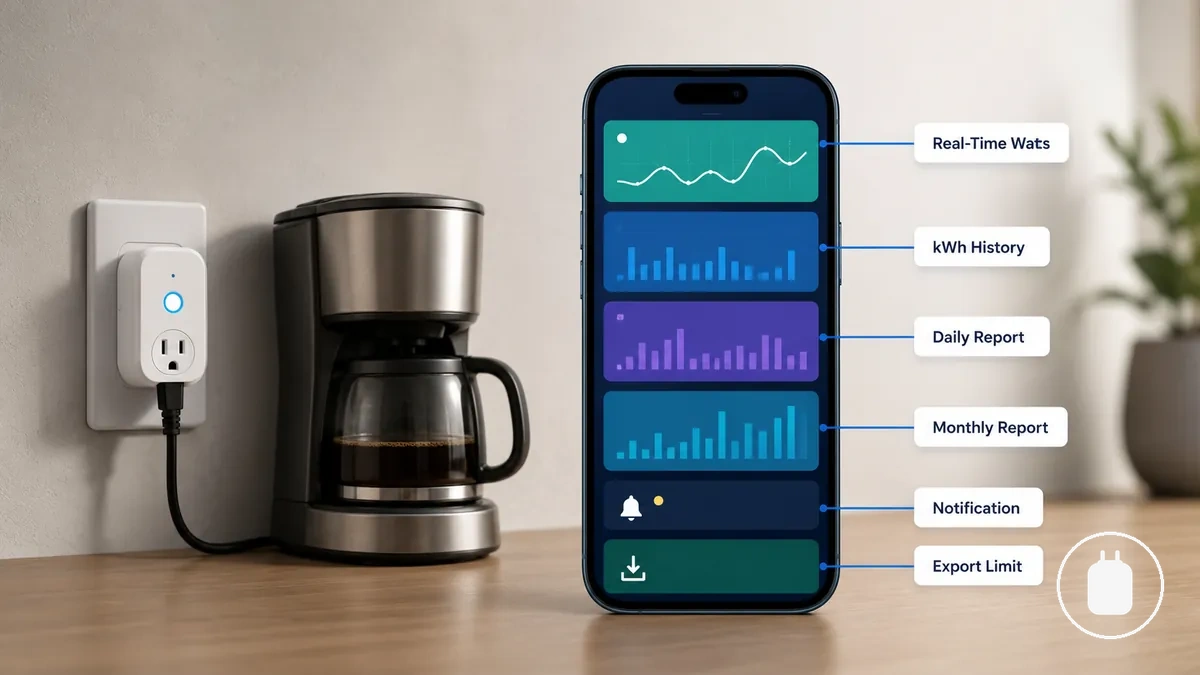
Real-time watts display the current load of a connected appliance, while kWh history records accumulated energy use over a selected period. An app dashboard may organize this energy data into a daily report, monthly report, or other usage report, depending on available features. Some apps also provide notifications or data export options, although export limits and reporting frequency depend on app design. Reviewing these reports helps users evaluate whether the available tracking data matches their monitoring needs.
A user might compare a daily report with a monthly report to identify changes in energy history after adjusting how a connected appliance is used. The app dashboard may also provide notifications when supported, making changes easier to notice without frequent manual checks. For more detail about interpreting these views, see energy usage reports.
| Energy Data | Typical App Visibility |
|---|---|
| Real-time watts | Current load displayed on the app dashboard |
| kWh history | Energy history shown in daily or monthly reports |
| Notification | May alert users to supported events or thresholds |
| Export limit | Availability depends on app design and supported features |
Real-Time Power, kWh History, and Usage Reports
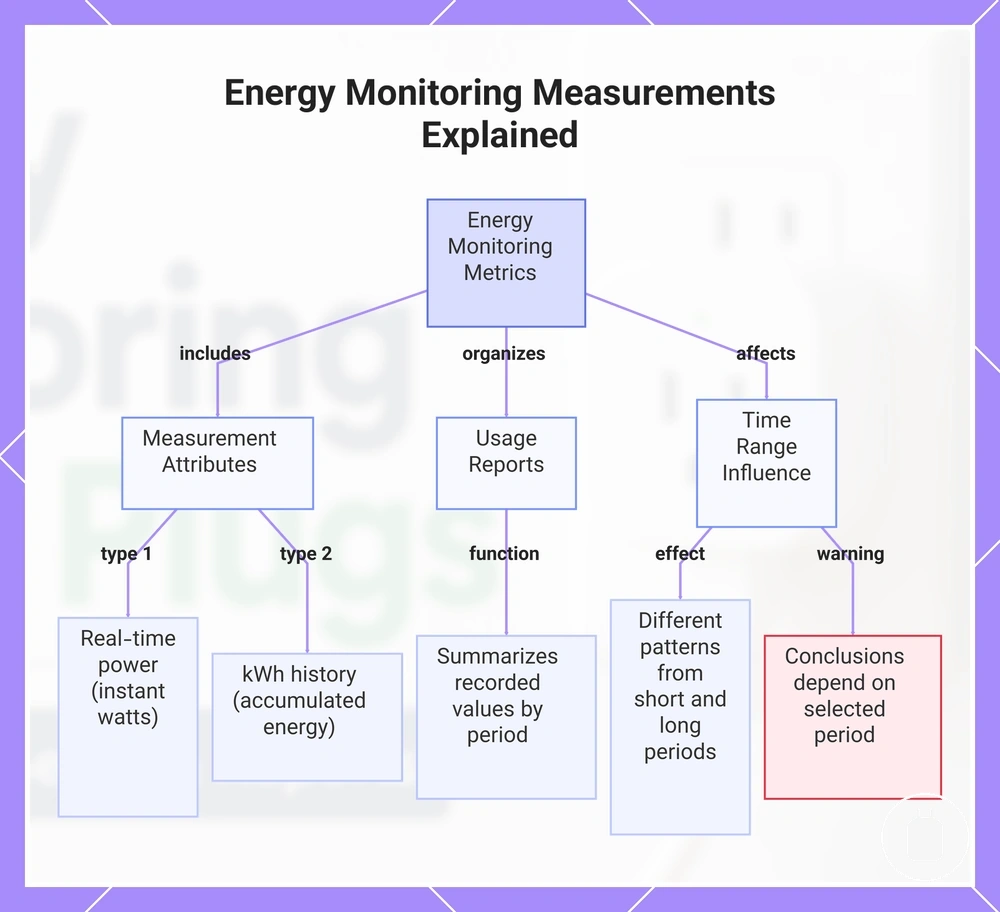
Real-time power measures the current load of a connected appliance in watts, while kWh history records accumulated energy use over a selected time range. These values describe different measurement attributes because watts represent an instant reading and kWh history reflects a recorded value collected over time. A usage report organizes those recorded values according to the chosen reporting period, making the time range an important part of interpretation.
Real-time power, kWh history, and usage reports answer different measurement questions:
- Real-time power (watts): Shows the current load of the connected appliance at a specific moment.
- kWh history: Records accumulated energy use across the selected time range.
- Usage report: Summarizes recorded values to show usage history over the reporting period.
- Time range: Influences how usage trends should be interpreted because shorter and longer periods can highlight different patterns.
A brief power spike may produce a high watt reading for only a short moment, while a lower but continuous appliance load over a longer time range can contribute more to kWh history. A usage report can help place those recorded values into context, but conclusions about appliance behaviour or possible energy cost should remain conditional because interpretation depends on the selected reporting period rather than a single reading.
This chart shows the three main types of energy monitoring measurements and how the selected time range influences interpretation.
Reporting Frequency and App Dashboard Limits
Reporting frequency affects how useful monitoring data can be because the update interval determines how often new information appears in the app dashboard. A polished dashboard does not necessarily indicate frequent updates, long data history, or continued access to stored records. Before relying on monitoring data, verify how the app reports, stores, and provides access to information.
Reporting frequency and app dashboard limits should be checked before relying on the data:
- Verify the update interval to understand how often readings may refresh.
- Check the available data history to determine how long usage history may be retained.
- Confirm whether export access is available and whether access may depend on app support.
- Determine whether data visibility relies on cloud dependence, local control, or a combination of both.
- Treat any cost assumption as conditional because estimates may depend on app settings rather than measured electricity costs.
If frequent readings, extended data history, or local smart-home integration are important, reporting behaviour should be evaluated alongside the app dashboard instead of its appearance alone. Dashboard limits, history retention, export access, and local control may vary by implementation, so long-term access and reporting convenience depend on the supported platform and configuration.
Accuracy Limits and Reading Confidence
Accuracy limits should be judged as a confidence range that matches the intended use case rather than as an absolute promise. Reading confidence depends on load type, measurement range, voltage, current, calibration, and device design rather than a single specification. These factors determine how confidently the readings can be interpreted for everyday monitoring.
Measurement accuracy can vary with the connected appliance and its electrical behaviour. A steady load may produce more consistent readings than a variable load, while a low-power device may be more affected by the available measurement range and device design. Voltage and current measurements contribute to the reported values, and calibration expectations may differ between products. Considering these conditions can improve buying confidence by aligning the device with the intended monitoring task.
Household tracking and research-grade measurement serve different purposes, so reading confidence should be evaluated within the intended use case rather than as a universal measure of precision. An energy monitoring smart plug can support everyday monitoring and comparison, but it should not be assumed to provide the same level of measurement confidence required for specialised applications. For a more detailed explanation, see energy monitoring smart plug accuracy.
| Accuracy Factor | Effect on Reading Confidence |
|---|---|
| Load type | Steady and variable loads may influence how readings are interpreted. |
| Measurement range | Reading confidence depends on whether the appliance operates within the supported range. |
| Voltage and current | These measurements contribute to the reported energy values. |
| Calibration and device design | Implementation differences may influence reading reliability and buying confidence. |
Steady Loads, Variable Loads, and Low-Power Readings
Load behaviour affects reading confidence because different appliance operating patterns create different measurement conditions. A steady load often provides readings that are easier to interpret than a variable load or a low-power reading, so confidence depends on how the appliance uses electricity over time. The main load categories include steady loads, cycling appliances, standby draw, and very low wattage devices.
A heater operating with a steady load may produce more consistent readings across a selected time range than a fridge that functions as a cycling appliance with changing power demand. Likewise, a charger with a low-power reading or a standby device drawing minimal power may be more sensitive to short spikes and small changes in the report. Interpretation risk should therefore be considered before drawing conclusions from a single reading or a short reporting period.
| Load Pattern | Reading Confidence Consideration |
|---|---|
| Steady load (heater) | Often easier to interpret over a longer time range. |
| Variable load (cycling fridge) | Changing power demand may require interpretation across multiple reporting periods. |
| Low-power reading (charger or standby draw) | Very low wattage and short spikes may increase interpretation risk. |
Compatibility and Safe Appliance Use
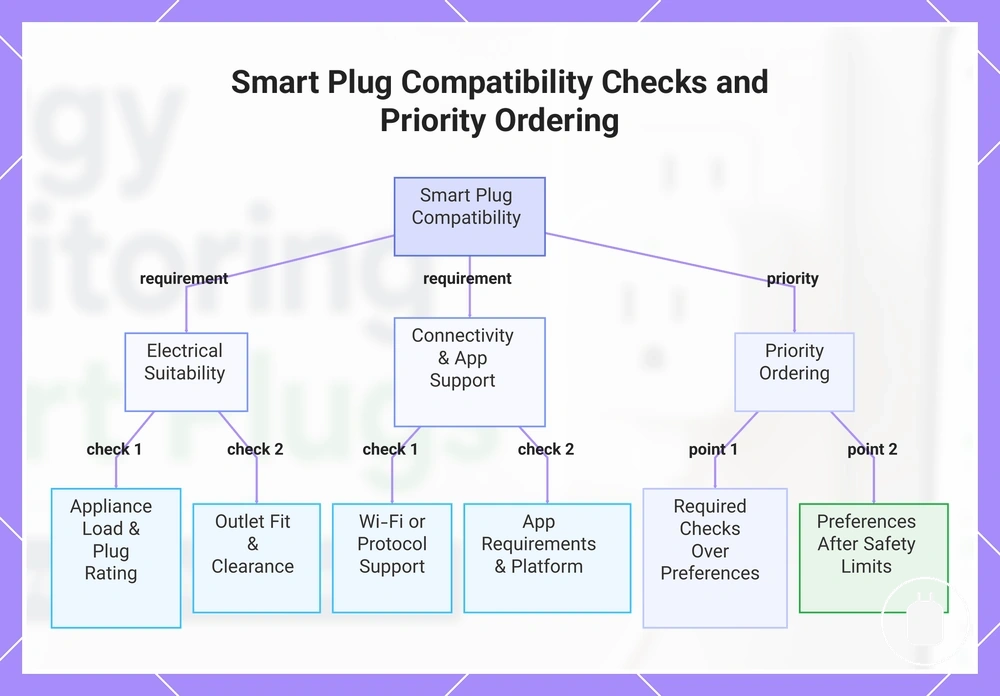
Compatibility depends on both electrical fit and software support rather than a single specification. An energy monitoring smart plug should match the appliance load, plug rating, outlet fit, network requirements, and smart-home environment before use. The key must-check conditions are electrical suitability, supported connectivity, and safety limits.
Start by confirming that the appliance load is appropriate for the plug rating and that the outlet fit provides suitable plug size and clearance. Then verify Wi-Fi or other protocol support, app requirements, and platform compatibility for the intended smart-home system. Software compatibility does not replace electrical compatibility, and the device should remain within its stated safety limits. Checking both electrical and software requirements supports safe appliance use and reduces avoidable compatibility risk.
If a user only needs energy monitoring, required checks should take priority over preference-based features such as broader smart-home support. After the must-check conditions are satisfied, protocol support and platform compatibility can guide the final choice. Use these compatibility checks to separate essential requirements from optional features.
- Must check: Confirm the appliance load is suitable for the plug rating.
- Must check: Verify outlet fit, plug size, and available clearance.
- Must check: Confirm the required Wi-Fi or protocol support is available.
- Must check: Ensure the app requirements match the intended device and platform.
- Preference: Choose platform compatibility that fits the existing smart-home environment.
- Preference: Compare optional smart-home features only after safety limits and core compatibility conditions are satisfied.
This chart shows the essential must-check conditions (electrical fit, connectivity) and the priority rule to separate required checks from optional features for safe smart plug use.
Wi-Fi, Matter, Zigbee, and Smart-Home Platform Support
Protocol support affects both the connection path and how energy data may appear inside a smart-home platform. Wi-Fi, Matter, and Zigbee use different setup methods, hub requirements, and platform support, so automation and data visibility can vary by ecosystem and app implementation. A compatibility label does not necessarily mean that every energy monitoring feature is available within the preferred platform.
If the goal is simple app control, a Wi-Fi device with app dependence may suit users who mainly want appliance control and energy data in the companion app. For deeper smart-home integration, Matter or Zigbee may offer broader automation options, although hub needs, voice assistant support, and reporting capabilities depend on the selected platform. Before choosing a connection type, verify that the preferred smart-home platform, voice assistant, and app expose the energy data required for the intended use.
| Connection Type | Typical Setup | Reporting Expectation |
|---|---|---|
| Wi-Fi | Connects through a router and often relies on the companion app. | Energy data visibility depends on app dependence and platform support. |
| Matter | Connects through a compatible Matter environment, with hub needs depending on the setup. | Platform support may include control without exposing the same energy data in every ecosystem. |
| Zigbee | Typically connects through a compatible hub for smart-home integration. | Automation, voice assistant control, and energy reporting may vary by hub and platform. |
Load Ratings and Devices to Avoid
The load rating of an energy monitoring smart plug must match the connected appliance and its intended use condition. Check the amp rating, watt rating, continuous load allowance, and any manufacturer restriction before connecting a high-draw appliance. Compare the plug label with the appliance rating before use.
Heaters, motors, and other high-draw appliances may place greater demand on a smart plug, while a motor may also create startup draw that differs from its normal running load. Overload protection can add a safety layer, but it does not replace checking the stated safety limit or manufacturer restriction. When suitability is uncertain, review the plug label and appliance requirements through these safety and load limits.
- Amp rating: Confirm that the appliance demand remains within the amp rating shown on the plug label.
- Watt rating: Compare the appliance rating with the smart plug's stated watt rating.
- Continuous load: Check whether prolonged operation, especially with a heater or another high-draw appliance, is permitted.
- Motor loads: Account for possible startup draw and any manufacturer restriction that applies to motor-driven devices.
- Overload protection: Treat it as a protective feature, not permission to exceed the stated load rating.
- Uncertain use: Avoid connecting the appliance until its requirements and the plug's safety limit have been verified.
Buying Criteria for Energy Monitoring Smart Plugs
The right energy monitoring smart plug depends on the intended appliance, compatibility, safety, and reporting needs. Budget should be considered after the essential requirements are clear because unsuitable fit or limited monitoring can reduce practical value. Effective buying criteria should therefore begin with the use case and required capabilities.
Monitoring quality and report usefulness determine whether the available readings support the intended decision, while app support and protocol compatibility affect access, control, and platform integration. Outlet size should provide suitable fit and clearance, and the safety rating should match the connected appliance and expected load. Control features such as scheduling or automation may add convenience but should not replace compatibility or safety checks. Separate these essential requirements from optional features before comparing value.
- Essential — monitoring quality: Confirm that the plug provides the measurement types needed for the intended appliance.
- Essential — report usefulness: Check whether the available history and reporting periods support the intended analysis.
- Essential — app support: Verify that the required app and supported device environment are available.
- Essential — outlet size: Confirm that the plug fits the outlet without unsuitable obstruction or clearance issues.
- Essential — protocol: Match Wi-Fi or another supported protocol to the preferred platform and connection setup.
- Essential — safety rating: Ensure the stated rating is appropriate for the appliance and expected load.
- Optional — control features: Compare scheduling, automation, notifications, or voice control after the essential requirements are satisfied.
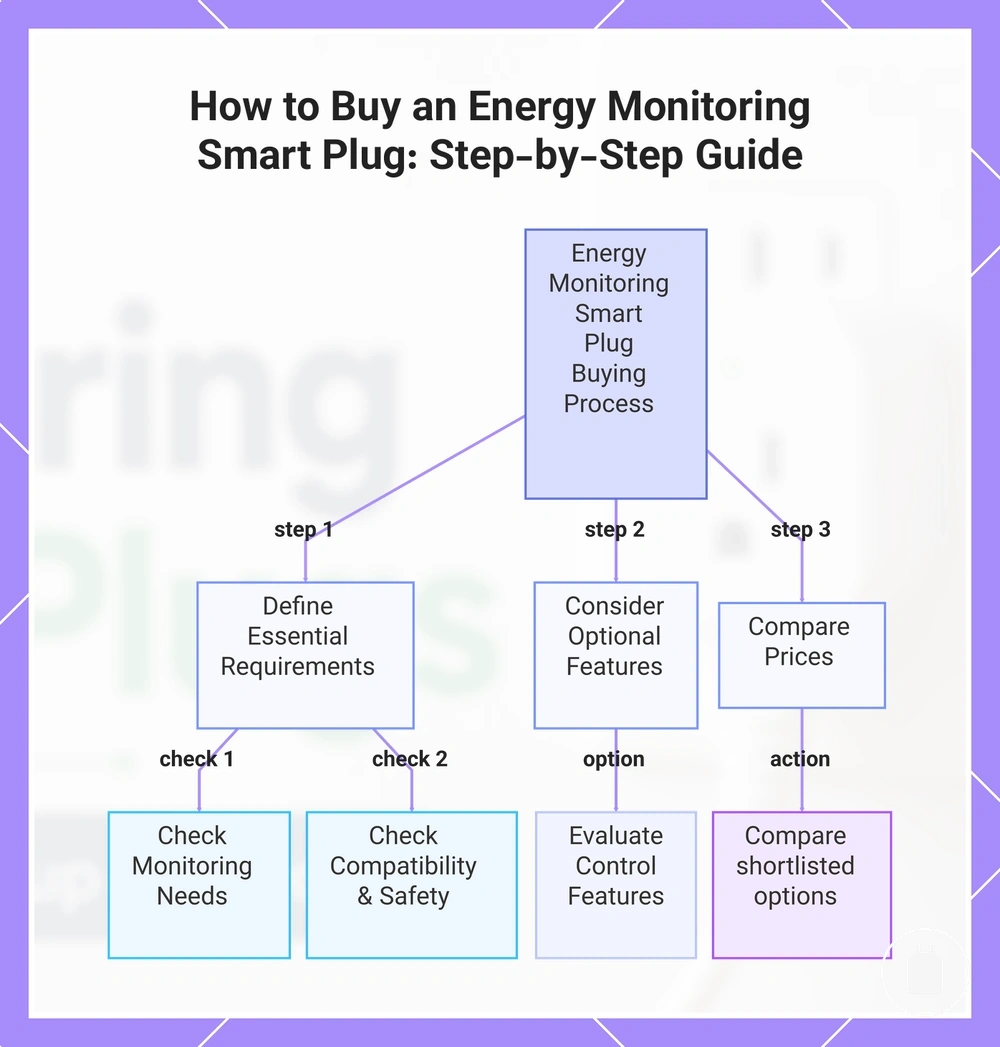
- Decision stage — price-check readiness: Compare prices only after the shortlisted options meet the required criteria.
Once the essential requirements are defined, use an energy monitoring smart plug buying checklist to remove unsuitable options before comparing price and convenience features. When the remaining options meet the appliance, platform, reporting, and safety needs, reviewing the best energy monitoring smart plugs can support a criteria-based final decision.
This chart outlines the three main steps to buy an energy monitoring smart plug: define essential requirements, consider optional features, and compare prices only after essentials are met.
Monitoring Features, Outlet Fit, and Control Options
Monitoring features, outlet fit, and control options affect daily usefulness once the basic energy-tracking need is clear. A compact design may improve adjacent outlet clearance, while scheduling, remote control, timers, overload cues, and energy tracking support different routines. These feature checks should be grouped by physical fit, monitoring value, and control convenience.
Monitoring features, outlet fit, and control options affect daily usefulness:
- Energy tracking: Check whether the available measurements and history match the intended monitoring task.
- Compact design: Consider whether the plug body leaves suitable adjacent outlet clearance.
- Scheduling: Evaluate whether planned on-and-off control supports the appliance and user routine.
- Remote control and timers: Confirm that app control provides the level of convenience needed for regular use.
- Overload cues: Treat visible warnings or alerts as supporting information rather than a substitute for checking load limits.
A bulky plug may obstruct a nearby socket even when its monitoring features meet the user's needs, while remote control or timers may matter more when the appliance is difficult to reach. The purchase decision should therefore balance physical fit, app control, and energy tracking against the outlet layout, appliance, and daily routine.
Price Range and Value Before Partner Price Checking
Price range should be treated as a decision filter rather than a standalone buying reason. The value of an energy monitoring smart plug depends on monitoring depth, compatibility, safety, reporting quality, and how well those attributes match the intended appliance and routine. Price should therefore be judged against fit and practical usefulness before partner price checking.
Price range and value before partner price checking depend on fit and reporting usefulness:
- Monitoring depth: Compare the available measurements with the level of monitoring needed for the appliance.
- Feature trade-off: Consider whether app value, protocol value, and reporting quality justify a higher indicative price.
- Reporting quality: Check that the available history and reports support the intended use rather than adding unused features.
- Cheapest option: A lower price may not satisfy the use case when essential monitoring, compatibility, or safety requirements are missing.
- Partner price checking: Compare available pricing only after the preferred feature set and value conditions have been established.
When options appear similar, comparing monitoring depth, reporting quality, and feature trade-offs can provide a clearer value check than focusing on indicative price alone. This prepares the reader for partner price checking as a later comparison step without turning the decision into a transactional process.
Setup and Daily Use Considerations
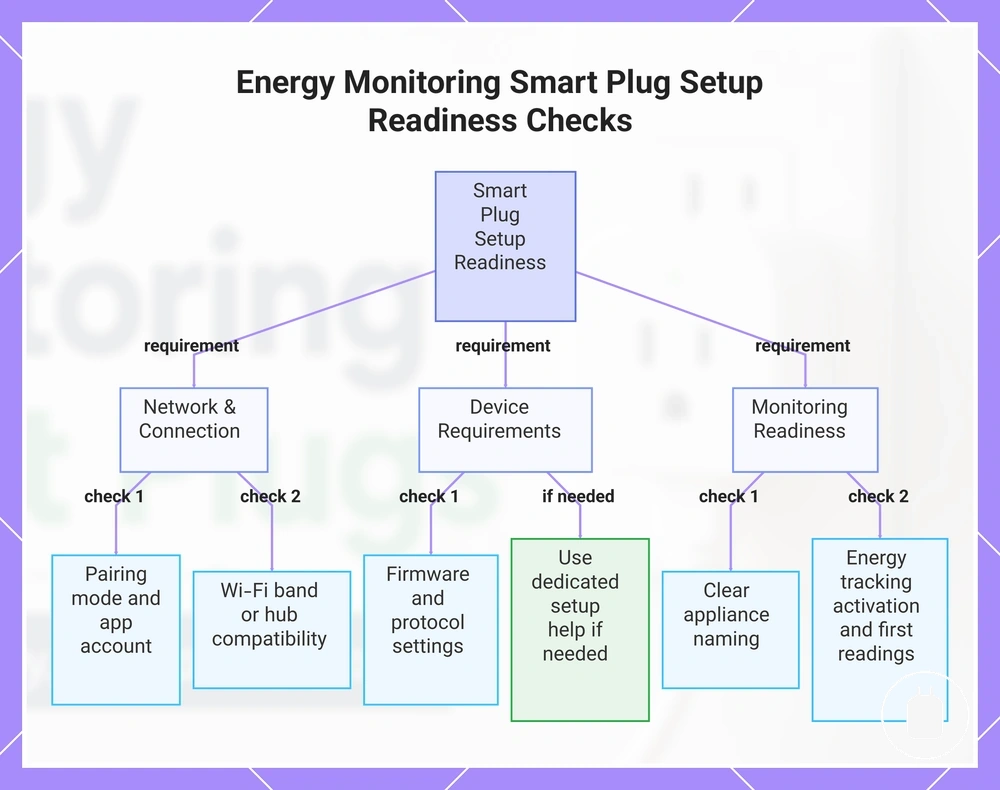
Setup quality affects whether an energy monitoring smart plug can provide useful energy data during daily use. Connecting the plug, app, network, and monitoring function correctly helps prepare the device for energy tracking and clearer first readings. These readiness checks establish a suitable starting point before regular use.
During initial use, pairing mode, the app account, and the network connection should be prepared before expecting the smart plug to display monitoring information. Depending on the device, the setup may involve a compatible Wi-Fi band or hub requirement, along with current firmware and supported protocol settings. Clear appliance naming can improve report clarity when reviewing multiple devices, while energy tracking activation confirms that monitoring data is available for the first readings shown in the app dashboard.
Dedicated setup help is useful when the readiness checks require more detailed guidance than a general usage overview can provide. This section focuses on preparation rather than a complete installation process. For detailed guidance, follow the setup steps.
- Confirm pairing mode and complete the app account connection.
- Verify the required Wi-Fi band or hub requirement for the intended setup.
- Check that the device firmware and connection settings are ready for use.
- Use clear appliance naming to support easier daily use and report clarity.
- Confirm energy tracking activation and review the first readings before relying on monitoring data.
This chart outlines the essential readiness checks for setting up an energy monitoring smart plug, covering network, device, and monitoring preparation.
Pairing, App Setup, and Energy Tracking Activation
Pairing and energy tracking activation may be separate app actions, so completing a connection step does not always confirm that monitoring data is ready. The activation sequence should connect pairing mode, app setup, network connection, and dashboard activation in the correct order. Checking each stage helps prepare the plug for first-reading confirmation.
Pairing, app setup, and energy tracking activation should be checked in order:
- Enable pairing mode and establish the connection between the plug and the app account.
- Verify the network connection, including the required Wi-Fi setup or hub requirement when applicable.
- Review app permissions and complete any available firmware update before regular monitoring.
- Use clear device naming linked to the appliance to improve report clarity during daily use.
- Confirm dashboard activation and energy tracking activation before reviewing the first readings.
Missing readings can occur when setup, compatibility, or reporting conditions have not aligned yet, so a missing value should be interpreted with caution. The first reading can confirm that activation is progressing, but reporting delay and device conditions may affect when useful energy data appears.
When Energy Monitoring Smart Plugs Are Worth Buying
Energy monitoring smart plugs are worth buying when plug-level data can improve appliance decisions, automation, or standby-power awareness. The value depends on the monitoring goal, the appliance being measured, the accuracy tolerance, and whether the available reports can support useful action.
For appliance decisions, plug-level data can help users understand how a connected device behaves during regular use and whether changes in routine may create useful behavior change. Standby-power awareness may be valuable for users who want visibility into devices that remain powered when not actively used. The benefit depends on whether the user can apply the information to their specific monitoring goal.
Accuracy tolerance, report usefulness, safety fit, compatibility, and price all influence the value assessment. A user should consider whether the monitoring depth matches the intended appliance and whether the plug fits the required environment. The right decision depends on balancing these criteria rather than focusing on a single feature.
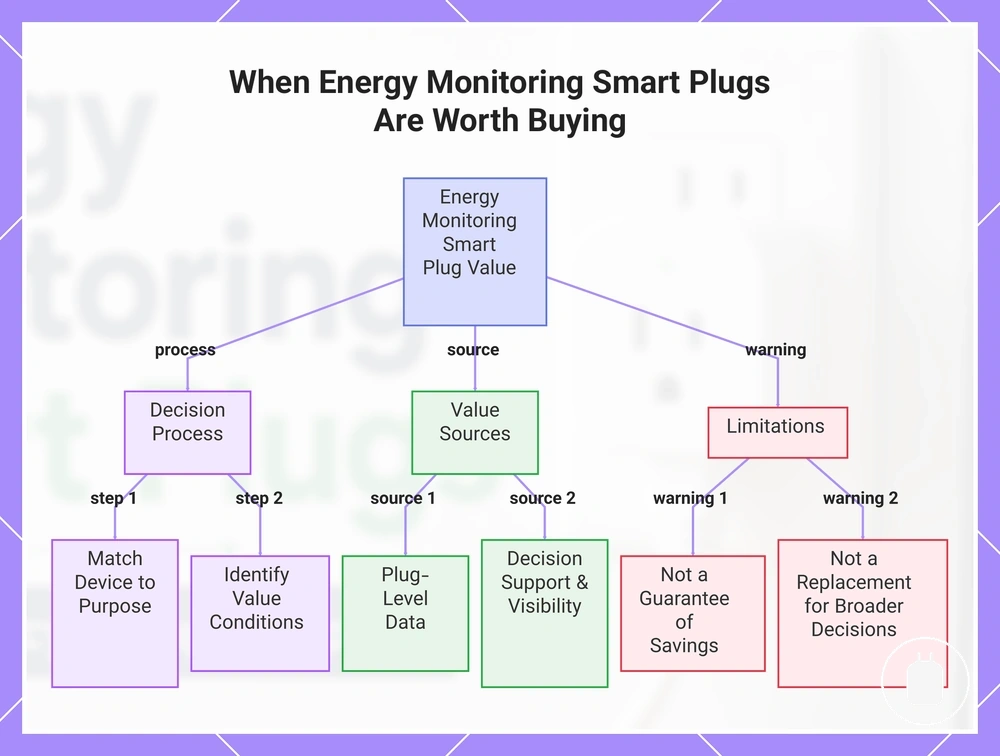
Energy monitoring smart plugs should not be treated as a guarantee of savings or a replacement for broader decisions about appliance use. Their value comes from plug-level data, decision support, and visibility into usage patterns rather than product rankings or guaranteed outcomes. A safer buying decision starts with matching the device to the intended purpose.
Users who want to compare options should first identify their monitoring goal, expected behavior change, and required features. Once those value conditions are clear, partner price checking can be used as a later comparison step based on decision support rather than a direct purchase prompt.
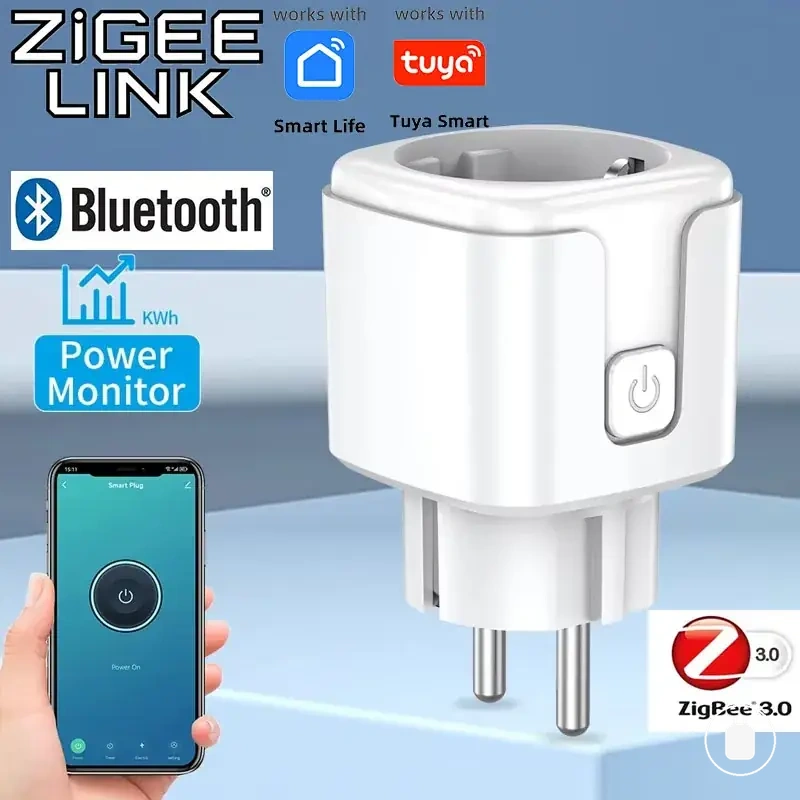
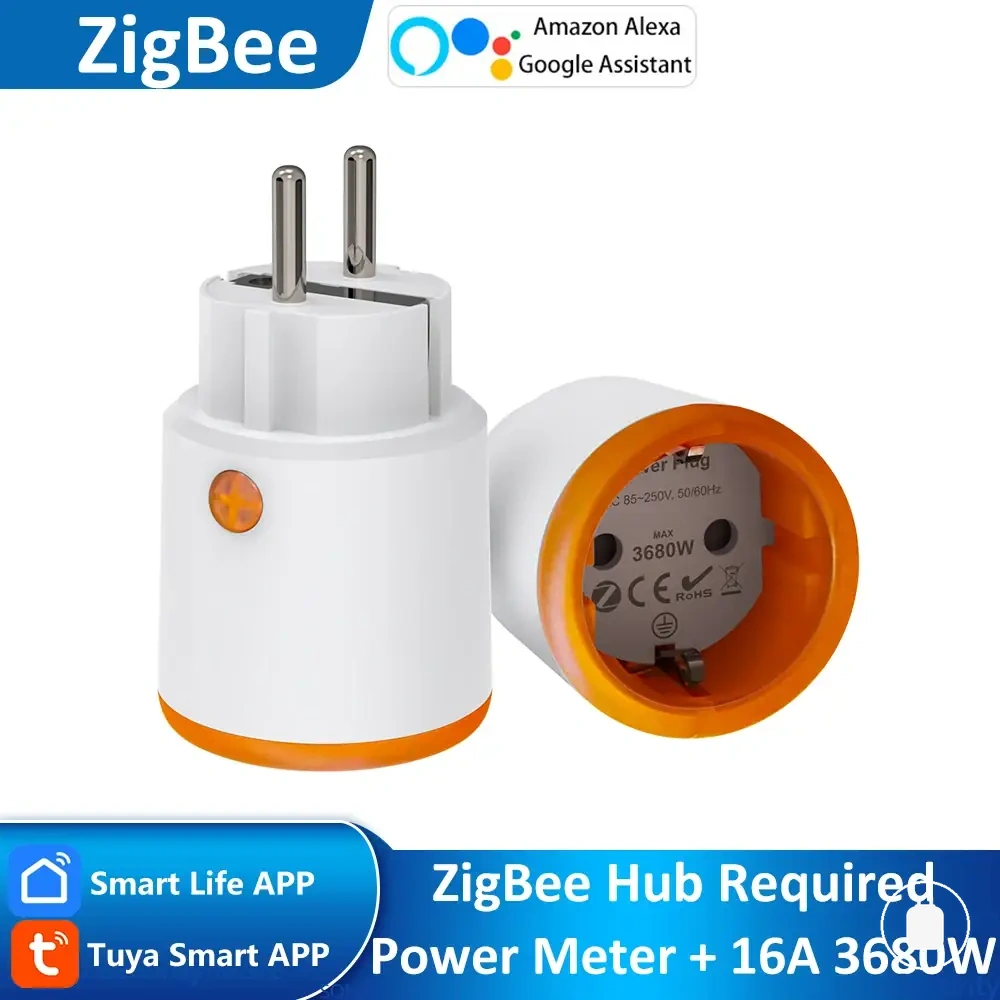
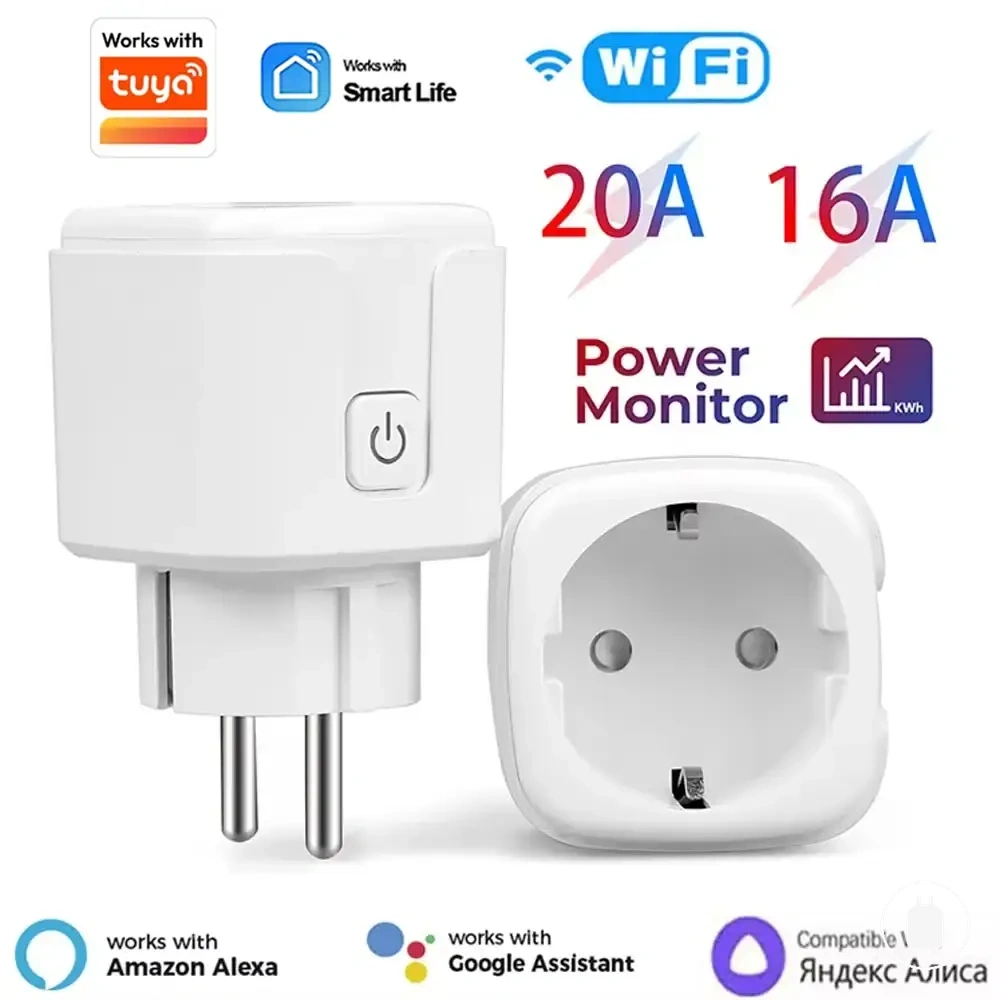
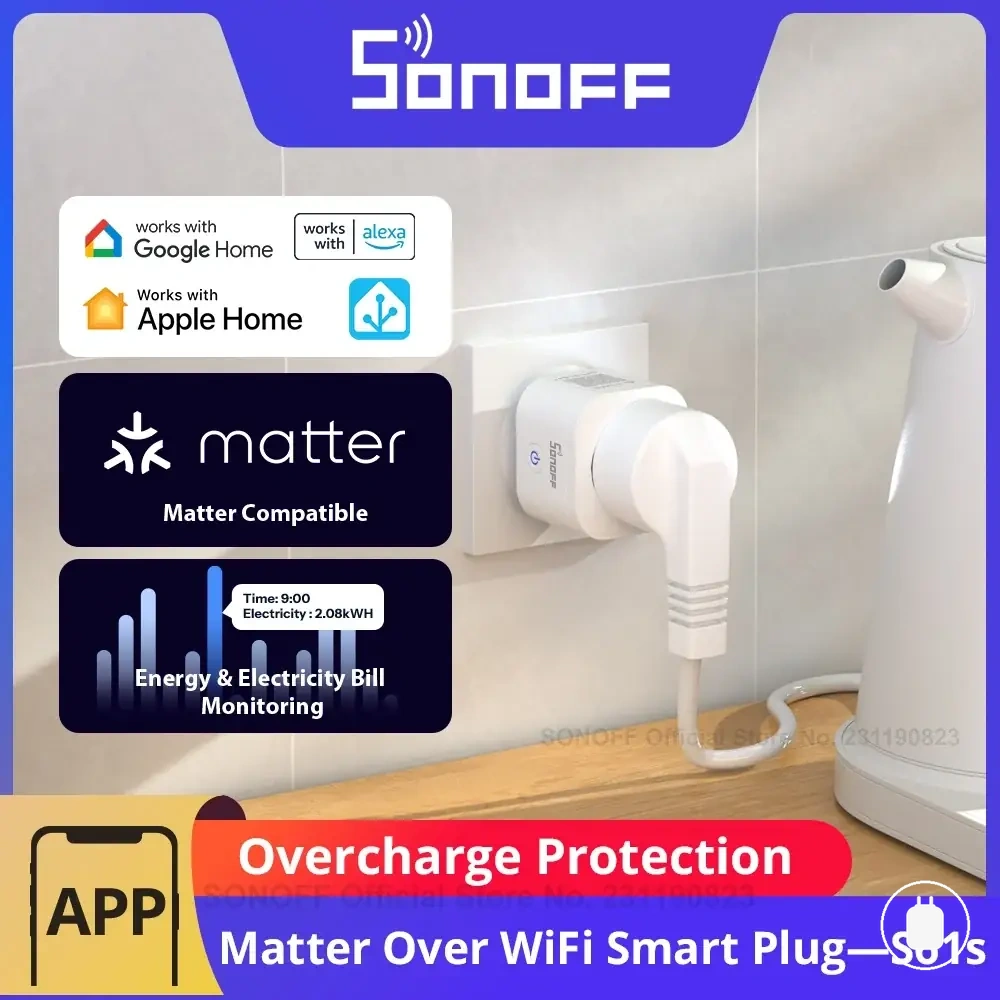
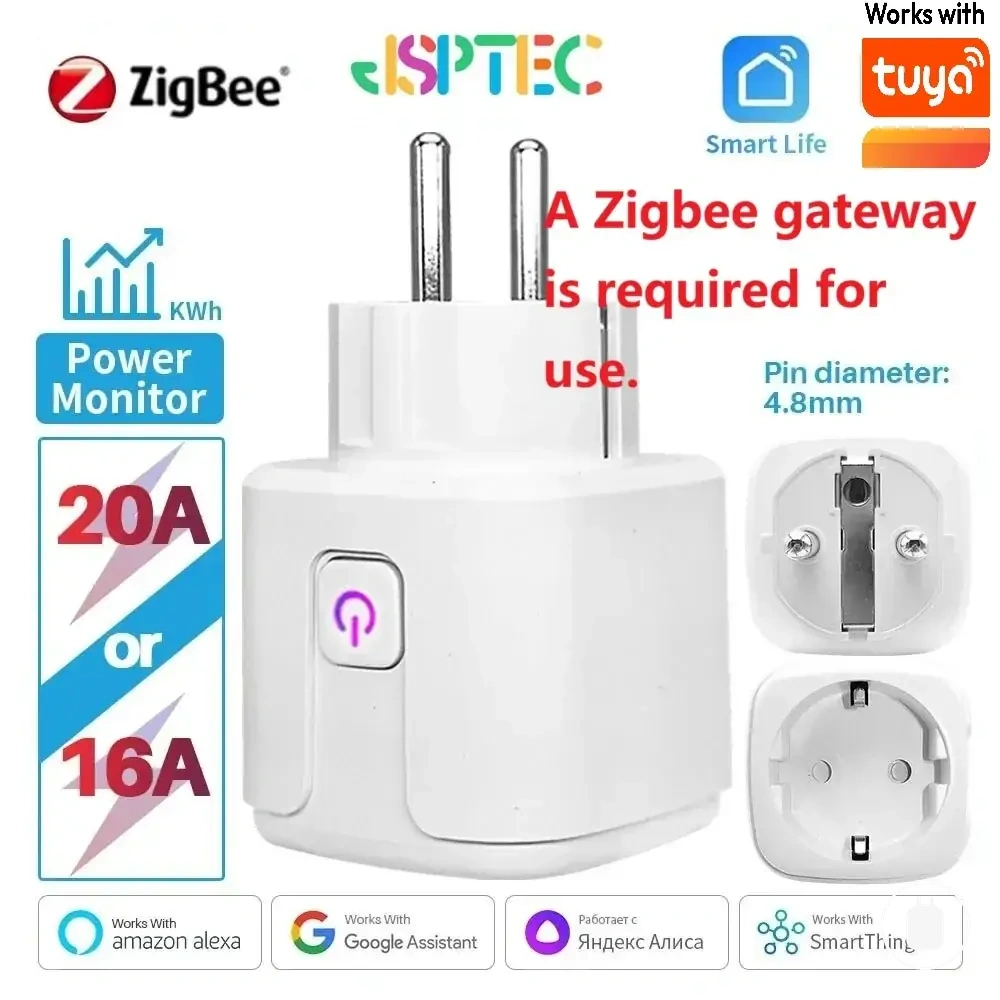
Here are product examples that may make comparison easier. Before buying, always review the compatibility criteria, essential features, and product details.
This chart shows the decision process, value sources, and key limitations to consider when evaluating whether energy monitoring smart plugs are worth buying.