Energy Monitoring Smart Plugs for Appliance Tracking
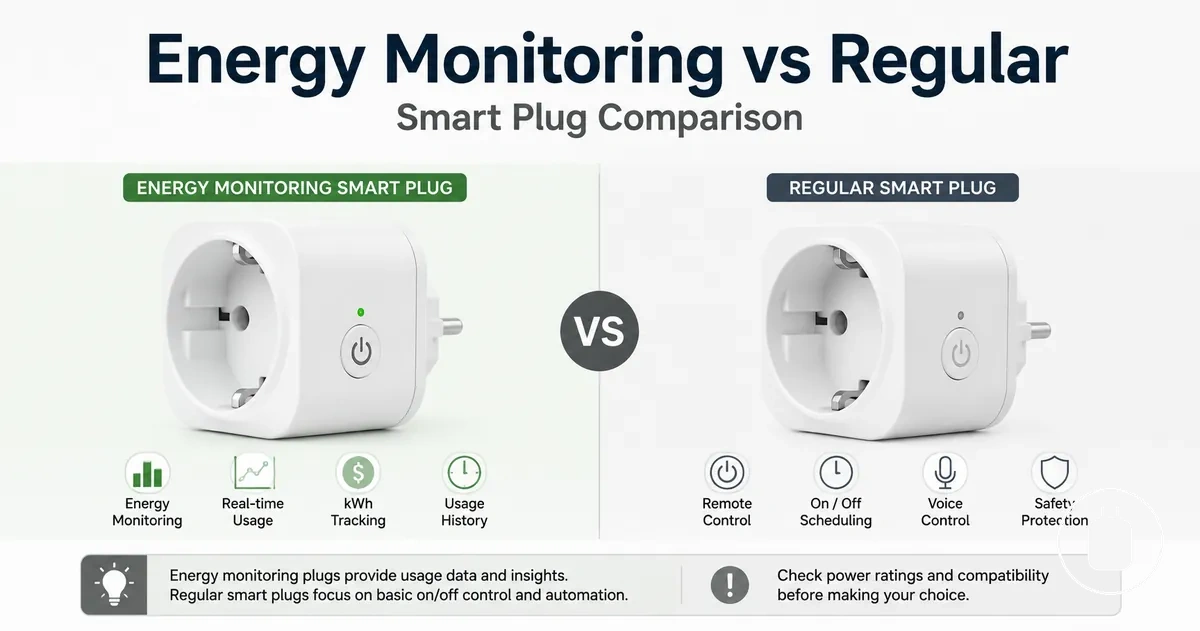
Energy monitoring smart plugs are appliance-level monitoring tools that help users understand electricity use from a connected appliance by showing measured power and usage patterns. Appliance tracking can provide useful context for decisions, but the interpretation depends on the appliance type, plug rating, and the limits of plug-level monitoring.
Evaluating appliance tracking starts with the relationship between energy monitoring smart plugs, plug rating, measured power, and appliance operation. A smart plug energy monitor can help organize usage data into a clearer decision process when the appliance type and usage pattern are considered together rather than viewing a single reading alone.
Monitoring usefulness and safe limits depend on the appliance and the plug rating. Different appliances can create different measurement conditions, so appliance tracking should connect measured power with operating behavior and compatibility considerations before reaching a decision.
What Plug-Level Appliance Monitoring Can Show
Plug-level appliance monitoring measures electricity use at the outlet for one connected appliance and shows readings that can help interpret how that appliance uses power. The measurements can include watts, kilowatt-hours, runtime patterns, and standby draw, but their practical meaning depends on the appliance, the operating condition, and the limits of outlet-level visibility.
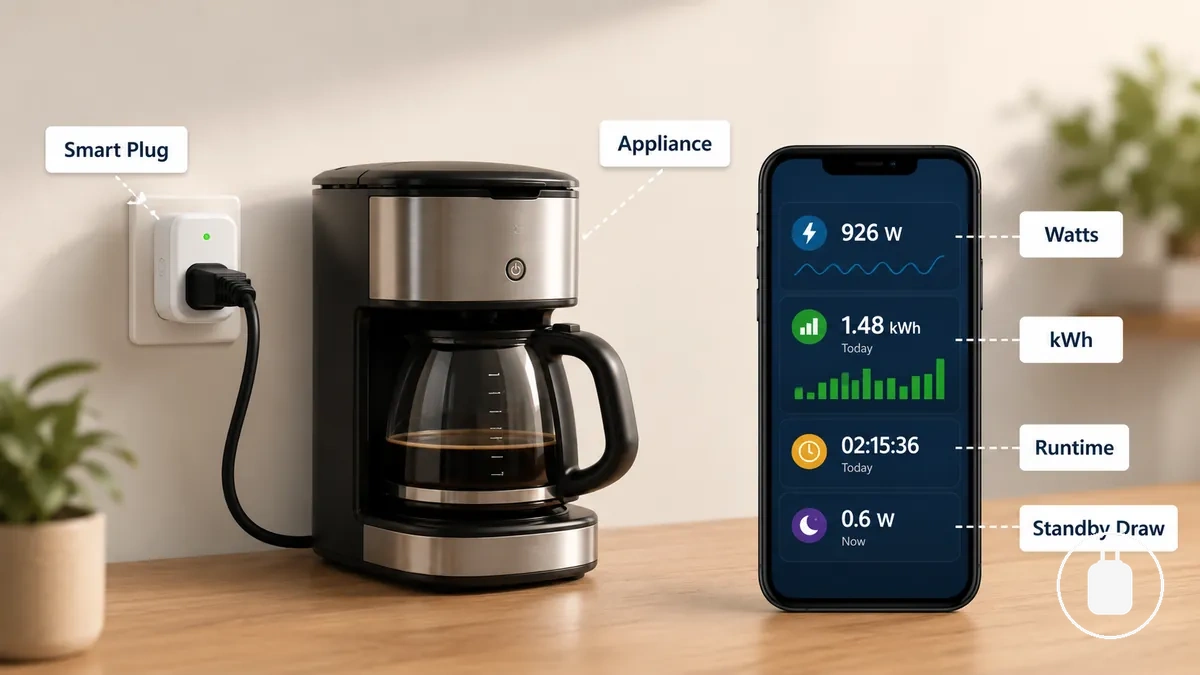
Plug-level appliance monitoring connects the appliance, measured value, condition, and practical meaning. Watts can show current power use at the connected outlet, while kilowatt-hours can show energy use across a time period. Runtime patterns and standby draw can help interpret how an appliance behaves during active periods and idle periods.
| Reading | What it shows | When it helps | Limit |
|---|---|---|---|
| Watts | Current power use at the connected outlet | Understanding a current reading during appliance operation | A single reading may not represent the full usage pattern |
| Kilowatt-hours | Accumulated energy use over a time period | Reviewing energy use across repeated operation | It does not describe every internal appliance condition |
| Runtime | How long an appliance operates or remains active | Interpreting usage patterns over time | Runtime alone does not explain all power changes |
| Standby draw | Low power use while an appliance is idle | Understanding background energy use | The reading represents only the connected appliance load |
Plug-level appliance monitoring provides visibility into the connected load, not every electrical factor in a home or every internal appliance condition. It can support understanding of electricity use, but broader monitoring approaches may be needed when a wider view of energy behavior is required.
Appliances That Are Good Candidates for Monitoring
Good candidates for appliance monitoring are devices where electricity use can provide useful insight into a clear usage pattern. Suitability depends on the appliance type, plug rating, operating condition, and whether the measured power can support a practical decision rather than simply provide a reading.
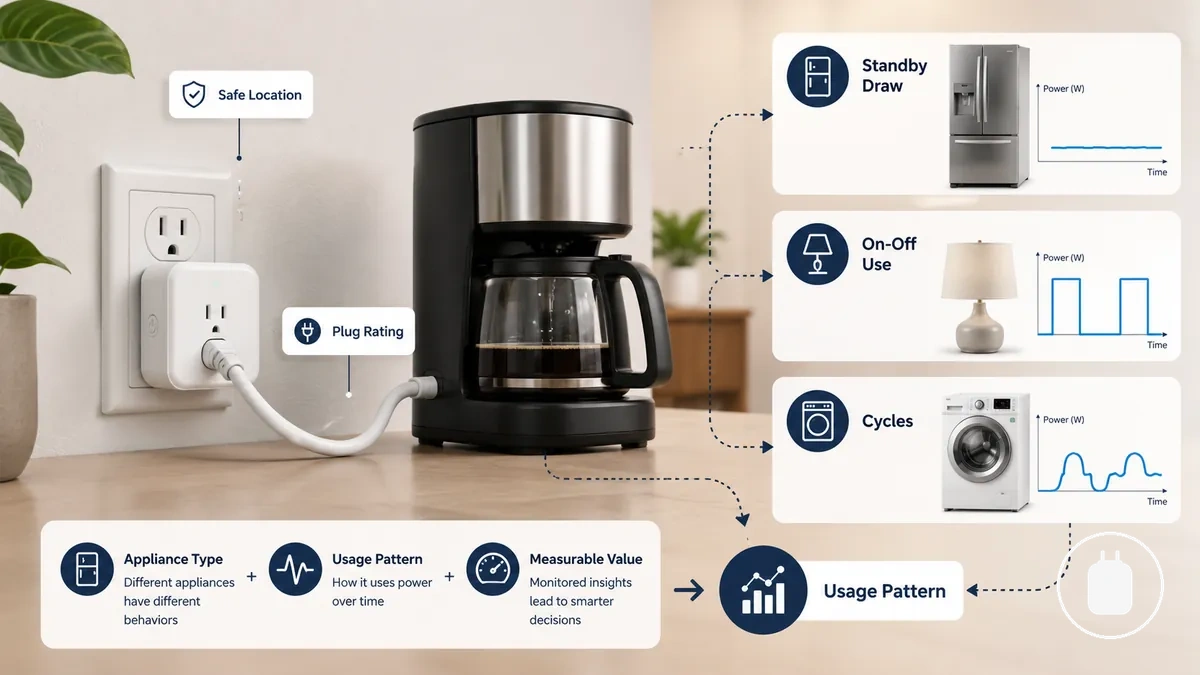
Appliance monitoring can be more useful when the appliance has an interpretable usage pattern, such as standby draw, repeated cycles, predictable on-off use, or non-critical operation. These patterns can help connect measured power with a clearer understanding of how the appliance behaves over time.
Candidate suitability can be organized through a set of checks rather than a ranked appliance list.
- Load rating: Consider whether the plug rating and appliance requirements align before monitoring.
- Predictable use pattern: Clear on-off use, repeated cycles, or regular runtime may make usage readings easier to interpret.
- Safe location: The outlet position and surrounding conditions can affect whether monitoring is appropriate.
- Restart behavior: Consider how the appliance responds when power conditions change.
- Useful reading outcome: Monitoring is more valuable when the usage data helps answer a specific energy-use question.
Standby and Always-On Devices
Standby and always-on devices can reveal low continuous power use when their idle draw continues over long periods. A low power reading may become more relevant when a standby device remains connected during overnight use or extended background operation, but the practical meaning depends on the device and its usage pattern.
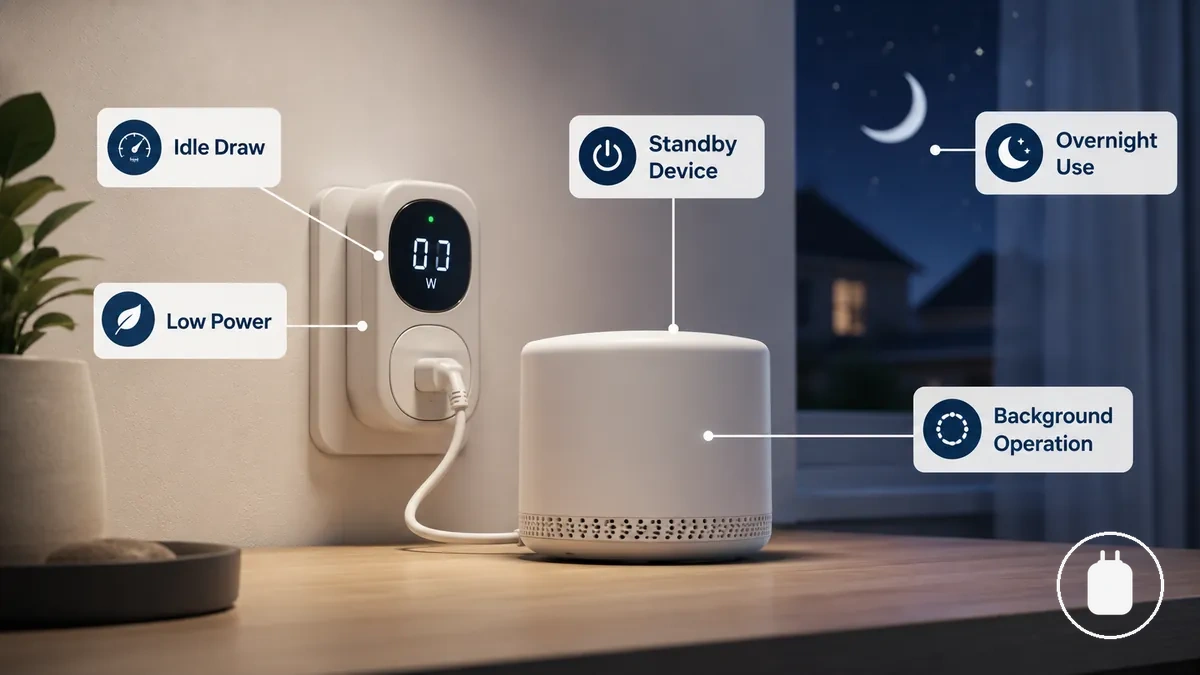
Monitoring standby draw connects the device, idle power, duration, and observed value. Repeated readings can help identify whether a device maintains a consistent background operation pattern and whether that information supports a clearer understanding of energy use over time.
- Idle draw: A standby device may show low continuous power use while remaining connected.
- Duration: Longer periods of background operation can change how a low power reading is interpreted.
- Repeated observation: Multiple readings can help identify a consistent standby pattern.
- Practical interpretation: The relevance of the reading depends on the device type, usage context, and the decision being evaluated.
Simple On-Off Appliances
Simple on-off appliances can be easier to interpret because their power state is usually distinct. When an appliance changes between active and inactive states, the wattage change can provide a clearer view of usage behavior, although the result depends on the appliance design and its restart behavior.
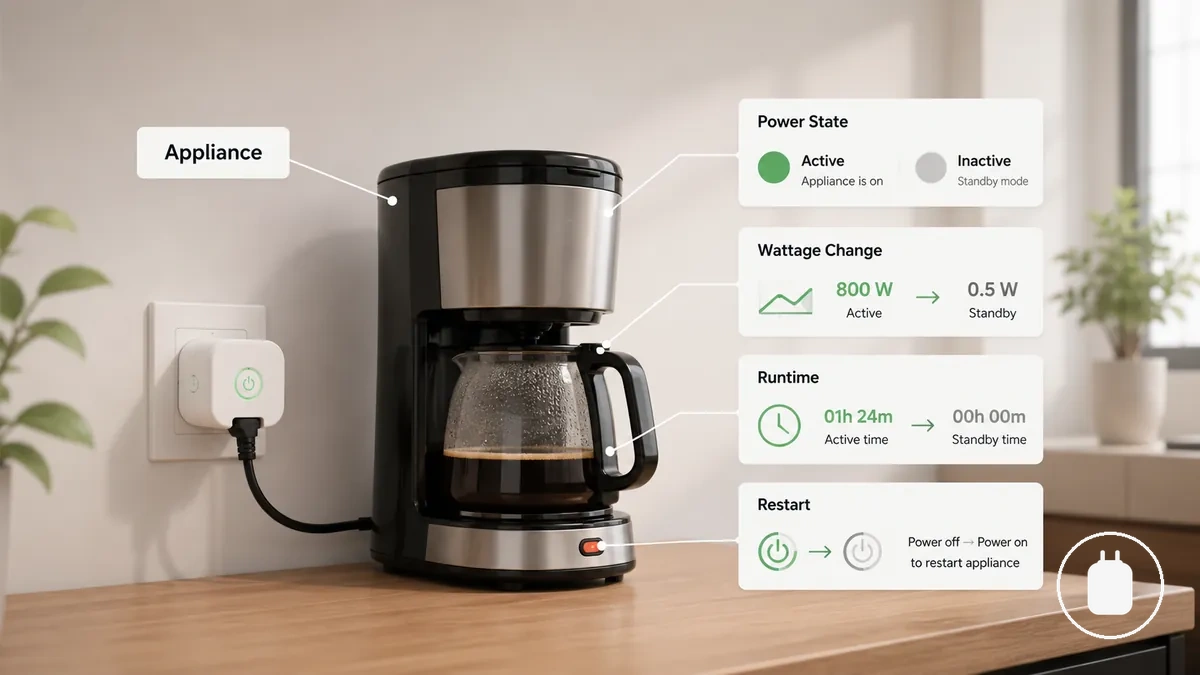
Monitoring simple on-off appliances focuses on the connection between the appliance, on-off state, wattage change, and runtime. A clear power state can support usage confirmation, while outlet conditions, load requirements, and restart behavior should still be considered because switch behavior varies by appliance design.
- Clear wattage change: A visible difference between active and inactive states can make usage readings easier to interpret.
- Stable outlet fit: The outlet position and connection conditions can support more consistent monitoring.
- Safe load: The appliance requirements and plug capability should be considered together.
- Clean restart: Restart behavior depends on appliance design and can influence how power monitoring is used.
Cycle-Based Appliances with Changing Power Demand
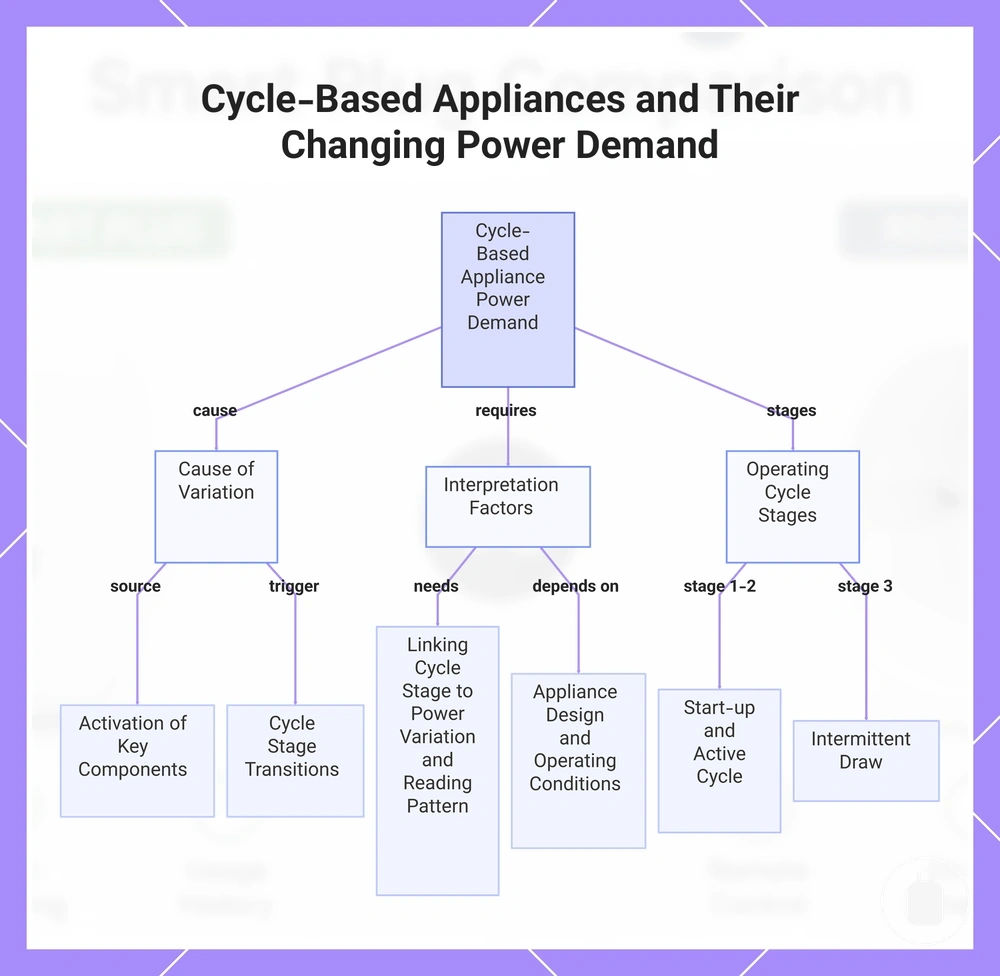
Cycle-based appliances can produce changing power demand because their operating cycle may move through different stages of activity. A reading from one stage may not represent the full operating cycle, so interpretation depends on connecting the cycle stage, power variation, and reading pattern.
Changes in power demand can occur as components such as a compressor, pump, or motor become active during operation. A simple sequence may include start-up, active cycle, and intermittent draw stages, with each stage creating a different power pattern. These variations can help with reading interpretation, but the meaning depends on the appliance design and operating conditions.
This chart explains how cycle-based appliances produce varying power demand through different operating stages, the causes of variation, and the factors required for correct reading interpretation.
Appliances That Need Safety or Compatibility Caution
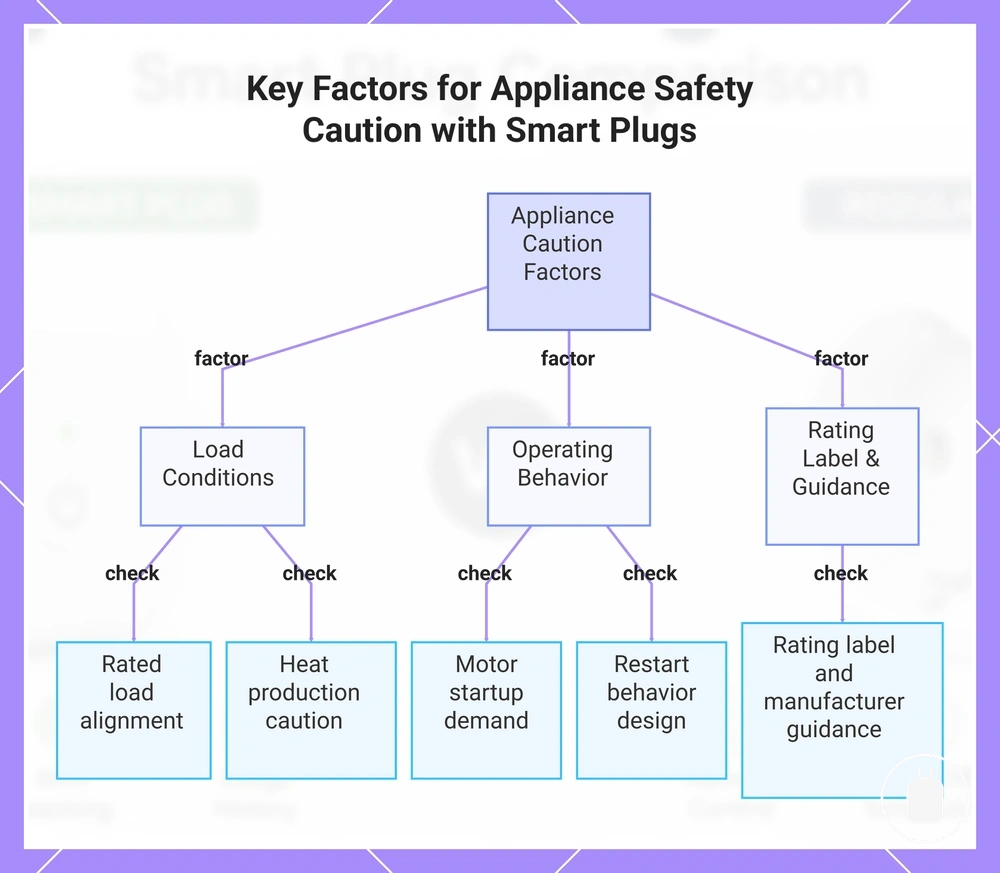
Appliances that need safety caution or compatibility caution should be evaluated through their load conditions, operating behavior, and rating label before using a smart plug for monitoring. High draw, heat production, motor startup, and power-resume behavior can affect the decision because appliance requirements vary by design and use.
Appliance caution depends on matching the risk attribute with the relevant condition rather than assuming every appliance category can be monitored in the same way. Rating labels and manufacturer guidance can help define the appropriate limits when an appliance has higher demand, continuous operation, or safety-sensitive characteristics.
These checks help separate monitorable appliances from situations that require additional review. Evaluating load limits and safety can provide more context when comparing appliance requirements, plug capability, and the conditions involved in monitoring.
- Rated load: Consider whether the appliance requirements align with the plug rating before monitoring.
- Heat production: Appliances with heat output may require additional caution around continuous load conditions.
- Motor startup: Appliances with motors may have changing demand during startup and operation.
- Restart behavior: Power-resume behavior depends on appliance design and may influence suitability.
- Manufacturer guidance: Rating information and appliance guidance should be considered when making a compatibility decision.
This chart shows the main factors to evaluate when checking if an appliance needs safety or compatibility caution before using a smart plug.
Heating Appliances and High-Draw Loads
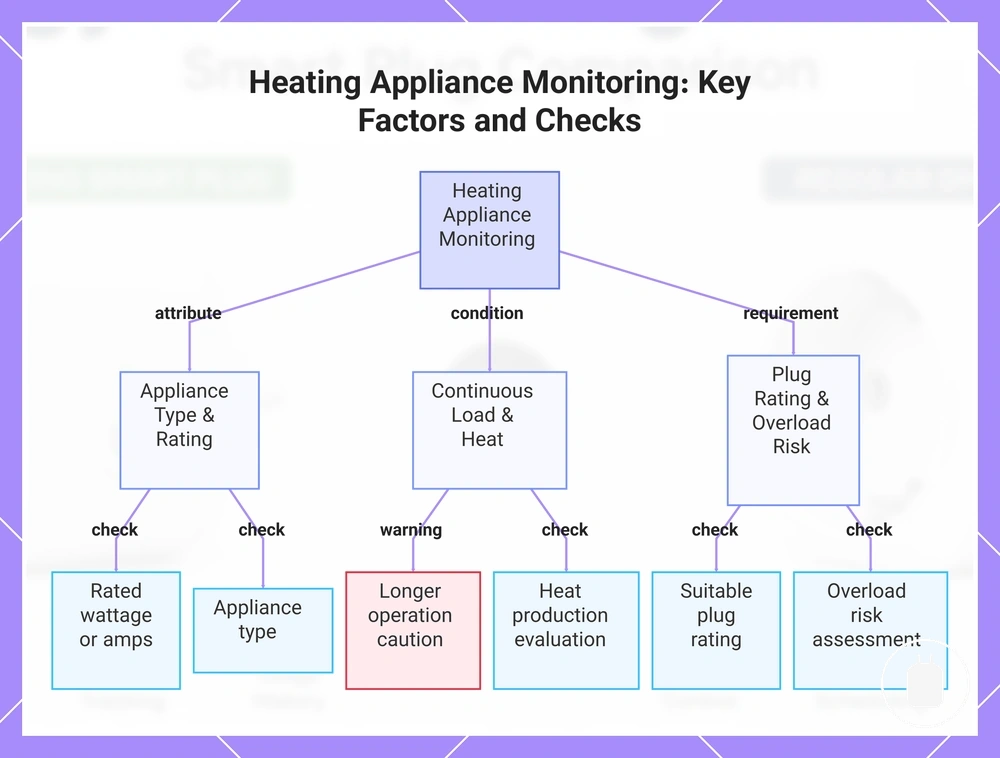
Heating appliances and high-draw loads need extra caution because sustained current and heat can create different monitoring conditions. The decision depends on the appliance type, rated wattage or amps, continuous load conditions, and whether the plug rating is suitable for the intended use.
Short bursts of demand and continuous heating loads should not be interpreted in the same way. Appliances such as heaters, kettles, or irons may require careful review because sustained current, heat production, and overload risk can affect compatibility.
- Rated wattage: Check the appliance label and compare the power requirements with the plug rating.
- Continuous load: Longer operation periods may require more caution than brief power use.
- Heat production: Heating appliances should be evaluated with attention to heat and load conditions.
- Overload risk: A suitable monitoring setup depends on the appliance requirements, plug rating, and operating conditions.
This chart shows the main factors and checks for evaluating heating appliances and high-draw loads for monitoring compatibility.
Large Appliances and Motor Startup Demand
Large appliances and motor-driven appliances may require compatibility checks because motor startup can create different power demand conditions than running power. Startup surge can differ from normal operation, so the appliance label, plug rating, and startup condition should be considered before deciding whether monitoring is suitable.
Examples such as fridges or washing machines should be evaluated based on their specific design rather than treated as a single category. Compressor cycling and motor activity can change the power pattern during operation, which means compatibility depends on the relationship between startup demand, running power, and the appliance requirements.
- Motor startup: Startup demand may differ from the power used during normal operation.
- Compressor cycling: Compressor activity can create changing power patterns during different operating stages.
- Appliance label: Appliance information helps compare requirements with the plug rating.
- Startup condition: The monitoring decision depends on the specific appliance design and operating conditions.
Devices That Do Not Resume Cleanly After Power Switching
Devices that do not resume cleanly after power switching can create compatibility concerns when power restoration changes settings, control states, or normal operation. The key consideration is the device resume behavior after power is removed and restored, including whether manual controls, electronic controls, or stored settings affect usability or safety.
Some devices may be poor candidates for routine switching if power restoration disrupts expected operation. A device may still provide useful information when a smart plug is used for measurement-only monitoring rather than repeated power switching.
- Reset behavior: Consider whether the device returns to the intended state after power restoration.
- Manual controls: Physical controls may require user action after power switching.
- Electronic controls: Settings and control states may vary depending on device design.
- Delayed restart: Some devices may take time to resume normal operation after power returns.
Load Rating Checks Before Monitoring an Appliance
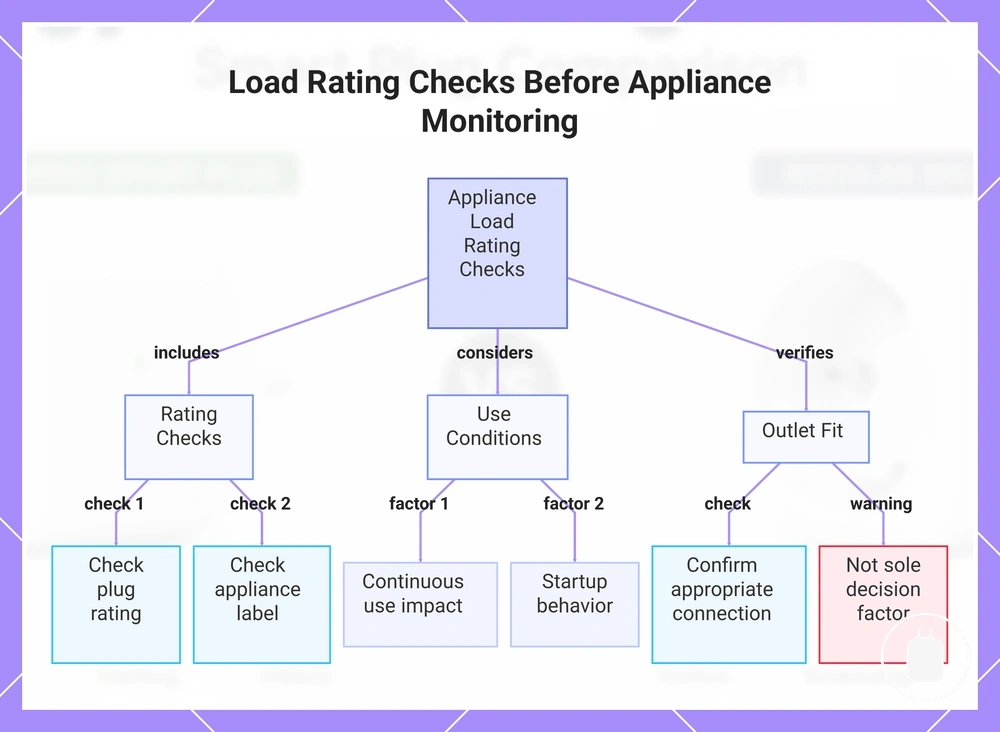
Load rating checks help decide whether monitoring an appliance is reasonable by comparing the plug rating, amp rating, watt rating, and appliance label information rather than relying on physical fit alone. Ratings must be checked against the appliance requirements, while continuous use, startup behavior, and available safety margin can influence the final decision.
A load check connects the plug, appliance label value, operating conditions, and decision outcome. The purpose is to identify when monitoring may be suitable and when the appliance conditions require deeper review.
- Plug rating: Check the plug rating and compare it with the appliance requirements before monitoring.
- Appliance label: Use the appliance label values to understand the expected power requirements.
- Continuous use: Consider whether long operating periods change the suitability of the monitoring decision.
- Startup behavior: Consider whether startup demand may differ from running conditions.
- Outlet fit: Confirm the outlet connection is appropriate, but do not use physical fit as the only decision factor.
This chart shows the key checks to evaluate whether monitoring an appliance is reasonable, based on plug ratings, appliance label, operating conditions, and outlet fit.
Rated Amps, Watts, and Continuous Use
Rated amps, watts, and continuous use help determine how an appliance rating relates to a plug limit before monitoring. The appliance label and electrical rating should be checked against the plug rating because the decision depends on the specific appliance conditions and available safety margin.
Watts and amps describe connected parts of the electrical rating relationship. A simple reference is Watts = Volts × Amps, but monitoring suitability still depends on the appliance label, plug limit, continuous use pattern, and whether the rating relationship provides an appropriate margin for the situation.
- Appliance label: Check the listed electrical information before comparing it with the plug limit.
- Plug limit: Compare the plug rating with the appliance requirements for the intended use.
- Continuous use: Longer operating periods may require more caution than intermittent use.
- Safety margin: The available margin depends on the specific plug and appliance ratings.
Outlet Type, Indoor Rating, and Physical Fit
Outlet type and physical fit can affect whether a monitoring setup is practical, even when the appliance itself appears suitable. A plug shape that fits an outlet does not confirm electrical suitability, so placement conditions, indoor rating, and the surrounding environment should also be considered.
- Plug shape: The outlet type and plug shape should allow a secure fit without creating placement problems.
- Outlet access: Limited space around an outlet can affect connection and usability.
- Indoor rating: The device rating should match the intended location and operating conditions.
- Ventilation: Restricted airflow around the plug area may require additional caution because heat and placement conditions can affect use.
- Clearance: Available space around the outlet can influence placement and practical use.
- Secure fit: A stable connection can improve usability, but physical fit alone is not proof of electrical suitability.
Appliance Readings That Support Energy Decisions
Appliance readings can support practical energy decisions by connecting measured values with appliance usage patterns. Real-time watts, kilowatt-hours, standby waste, cycle length, and repeated-use patterns each show different attributes of energy use, but the decision depends on how the reading relates to the appliance and the time period being observed.
Different energy readings can reveal different patterns. Real-time watts can show current demand, while kilowatt-hours can show accumulated use over time. Standby waste and cycle length can help identify background consumption or changing operation patterns, with interpretation depending on the appliance context.
Organizing this information through usage reports can make appliance readings easier to review. The useful connection is between the reading, the measured attribute, the observed value or pattern, and the decision it may support.
| Reading | Pattern to look for | What it can support | Limit |
|---|---|---|---|
| Real-time watts | Current power demand at a specific moment | Understanding active appliance operation | A momentary reading may not represent longer usage patterns |
| Kilowatt-hours | Accumulated energy use over a time period | Comparing repeated appliance usage over time | Does not explain every operating condition |
| Standby waste | Background consumption while idle | Identifying ongoing idle-use patterns | Relevance depends on the appliance and usage context |
| Cycle pattern | Changes during repeated appliance operation | Interpreting variable demand during a cycle | A single cycle may not represent every condition |
Reading patterns become more useful when they are connected to the appliance purpose and the decision being evaluated. Learning how to read appliance energy usage can help interpret measurements, while considering bill impact from appliance tracking depends on usage habits and broader conditions.
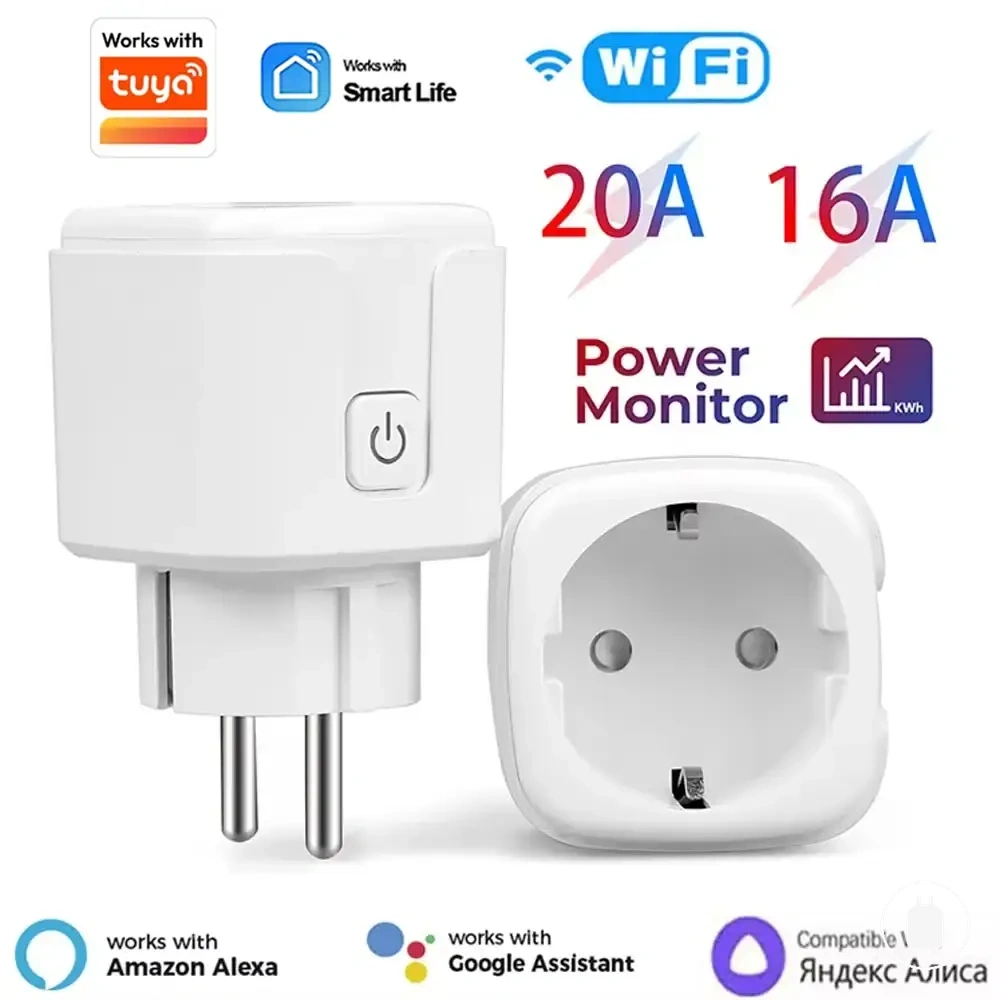
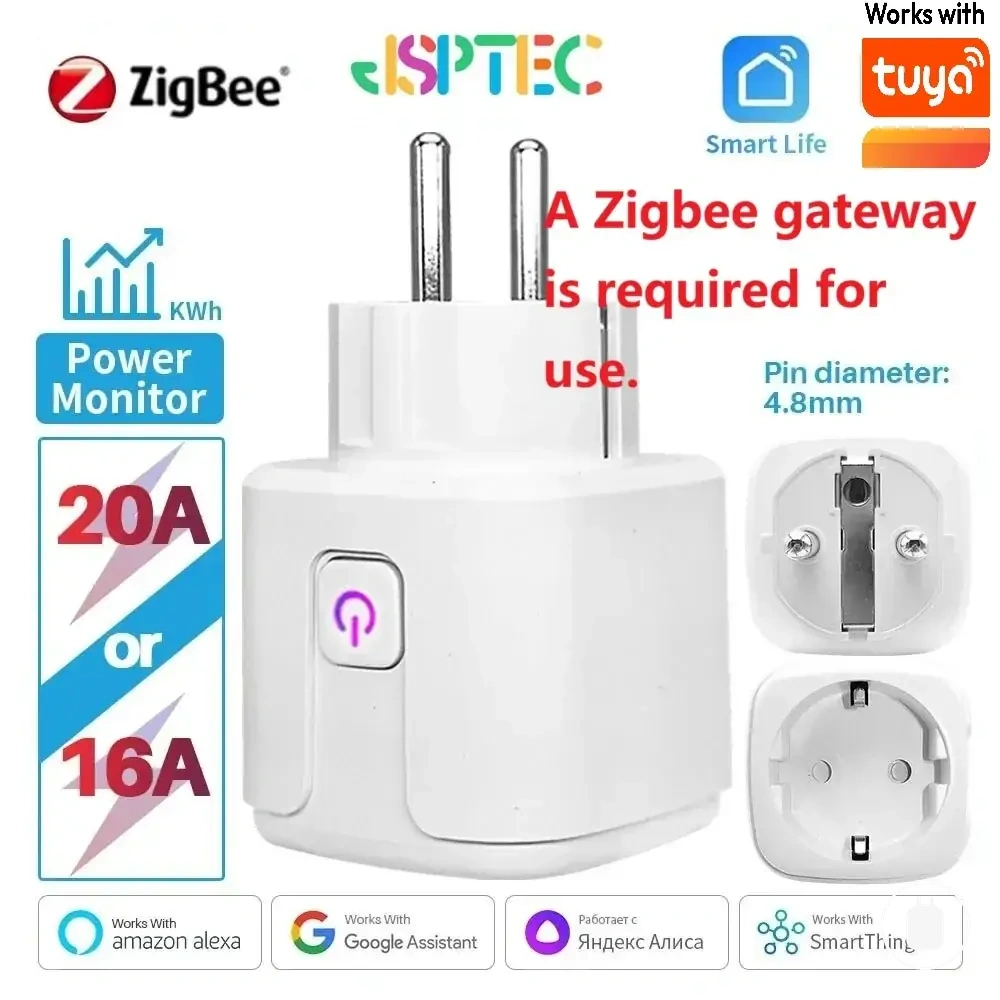
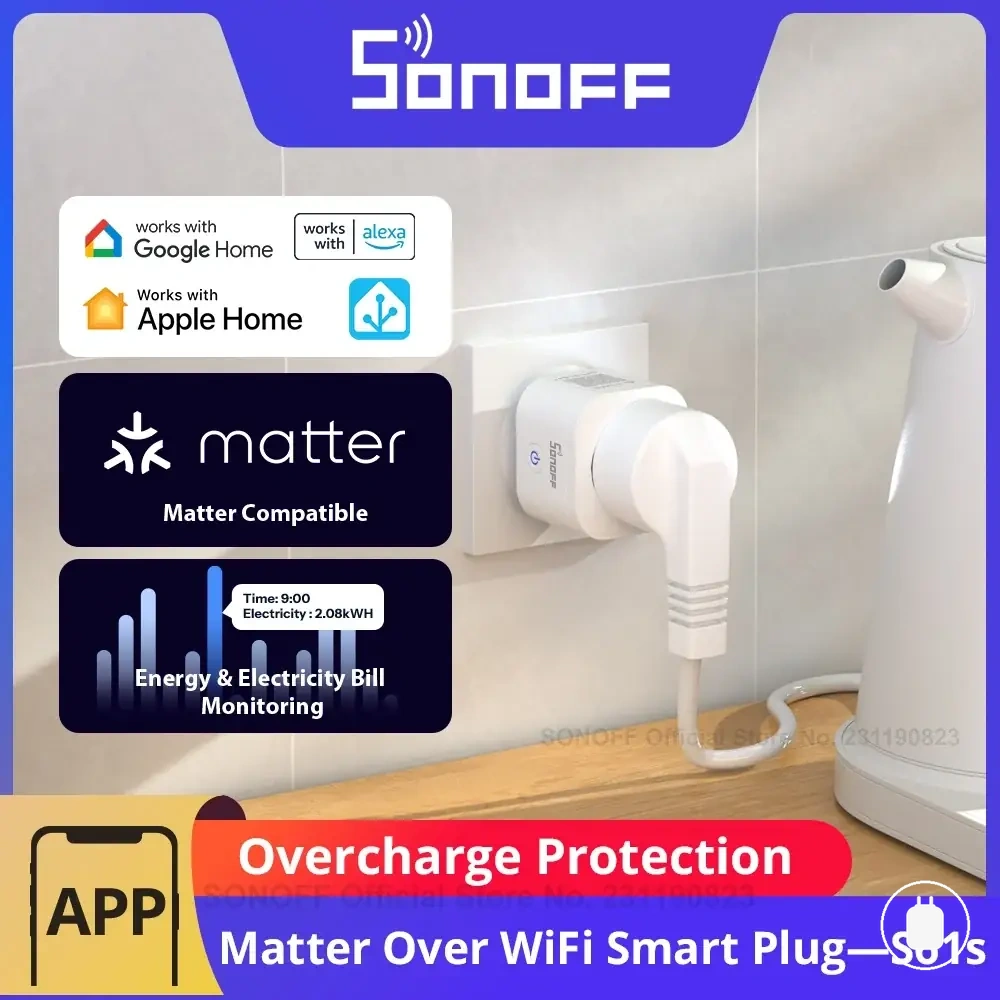
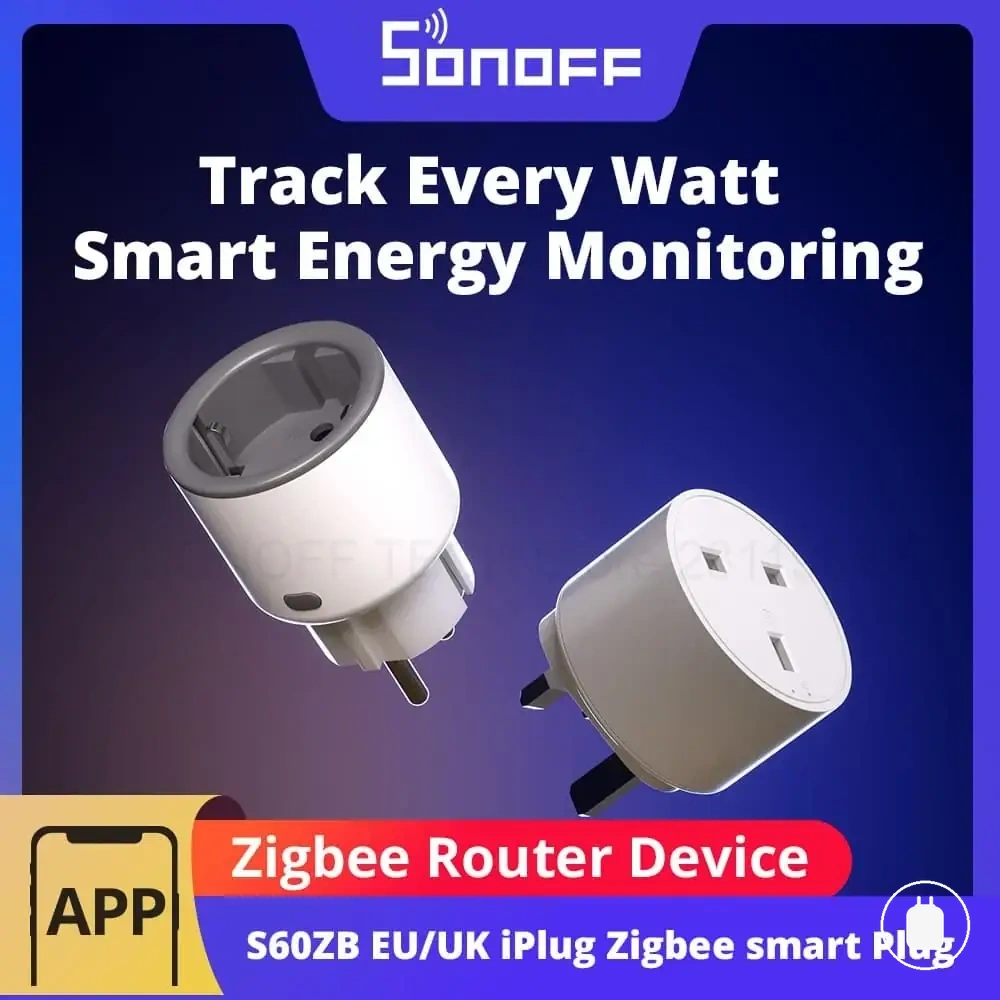
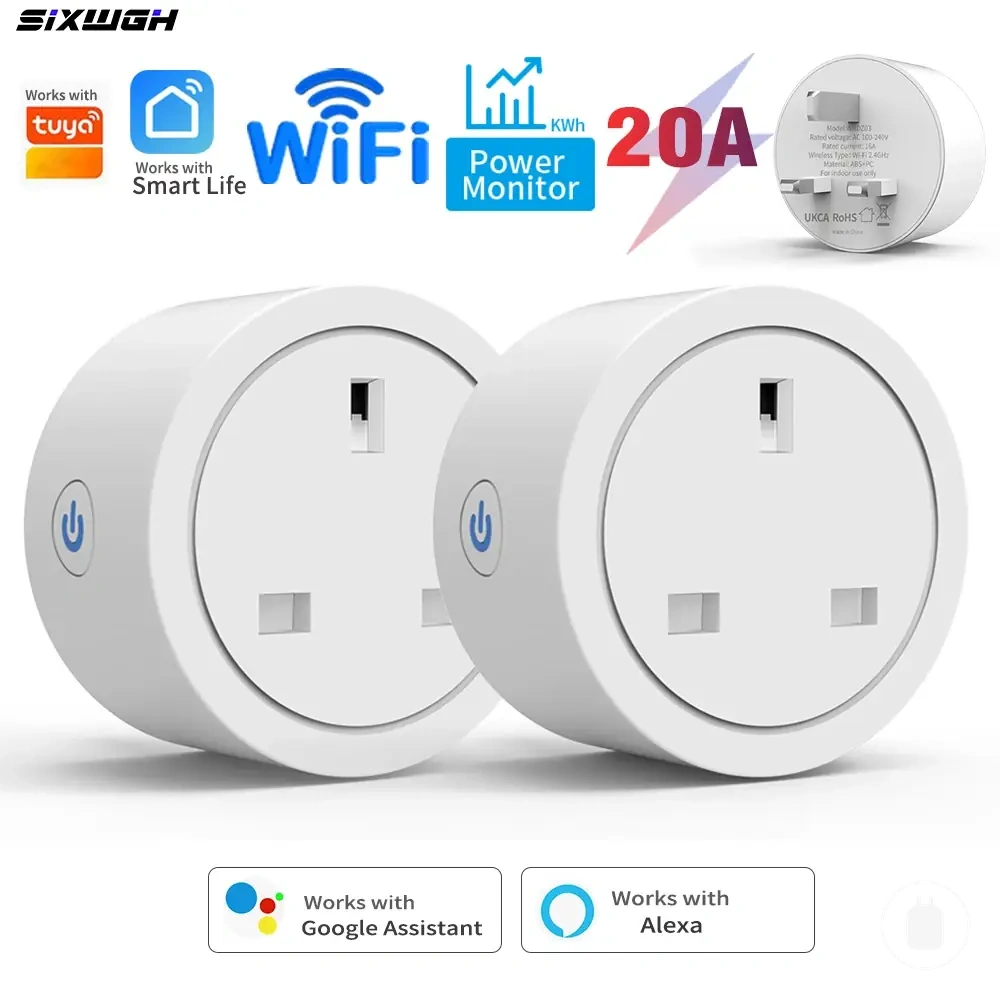
The products below are useful examples for comparing available options. Before buying, check that the compatibility criteria, key features, and product details match your needs.
Real-Time Watts and Kilowatt-Hour Use
Real-time watts and kilowatt-hour use show different aspects of appliance energy readings because they use different time conditions. Real-time watts show instant power at a specific moment, while kilowatt-hour use shows accumulated energy over a measured period, so each reading supports a different interpretation.
Instant power and accumulated energy answer different user questions. Real-time watts can help understand current draw, while kilowatt-hour use can help identify energy use over time, but neither reading alone fully explains appliance cost or efficiency.
| Reading | Time basis | Best question answered | Limit |
|---|---|---|---|
| Real-time watts | Instant power at a specific moment | What is the appliance drawing right now? | It may not represent the complete usage pattern over time |
| Kilowatt-hour use | Accumulated energy over a time period | How much energy has been used during the measured period? | It does not show every operating condition by itself |
Standby Waste and Cycle Completion Patterns
A repeated appliance reading pattern can reveal standby waste and cycle completion signals by showing how usage changes during idle periods and completed operations. Repeated readings can highlight idle draw, timing patterns, and changes in app data, but the meaning of these patterns depends on the appliance and the conditions being observed.
For example, app data may show an appliance moving from active operation to a lower idle pattern after cycle completion. This type of pattern can support a decision about usage behaviour, while unusual readings should be treated as a signal for further checking rather than proof of an internal fault.
- Standby waste: Repeated idle draw readings can show ongoing background consumption patterns.
- Cycle completion: Timing changes can provide a cue that an appliance cycle has ended.
- Repeated readings: Multiple observations can make usage patterns easier to interpret.
- Unusual readings: Unexpected values can act as a signal for further review rather than a final diagnosis.
When a Smart Plug Is Not Enough for Appliance Monitoring
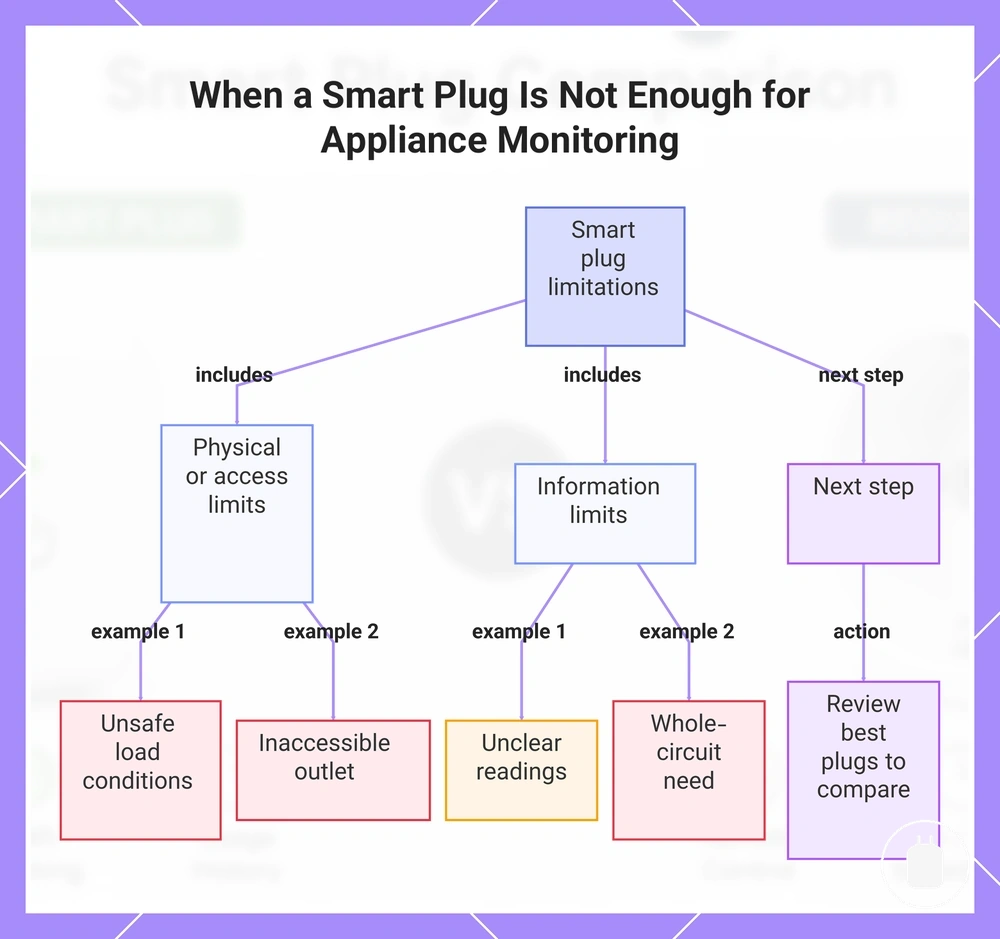
A smart plug may not be enough for appliance monitoring when plug-level monitoring cannot provide the information needed for the appliance decision. An appliance limitation, unsafe load condition, or incomplete reading can create a decision boundary where a different monitoring approach may be more suitable.
Plug-level monitoring can be useful for many appliance checks, but its limits depend on the appliance, connection conditions, and the type of information required. A monitoring choice depends on whether the available readings match the usage context being evaluated.
Some cases require a different decision path when the monitoring limit affects the quality or completeness of the information. These boundary cases can help separate situations where plug-level monitoring may be suitable from situations that need broader consideration.
- Unsafe load: An appliance with unsuitable load conditions may require a different monitoring path.
- Inaccessible outlet: Limited outlet access can make monitoring difficult or impractical.
- Unclear readings: An incomplete reading may not provide enough context for the appliance decision.
- Whole-circuit need: Some decisions may require information beyond one connected appliance.
- Comparison next step: Reviewing best plugs to compare can help evaluate options when plug-level limits affect the decision.
A better monitoring path depends on the appliance limitation, the required information, and the decision boundary being considered. The purpose is to match the monitoring method with the question that needs to be answered rather than assume plug-level monitoring fits every situation.
The products below are useful examples for comparing available options. Before buying, check that the compatibility criteria, key features, and product details match your needs.
This chart shows the main limitations of plug-level monitoring and the boundary cases that indicate when a different monitoring approach is needed.